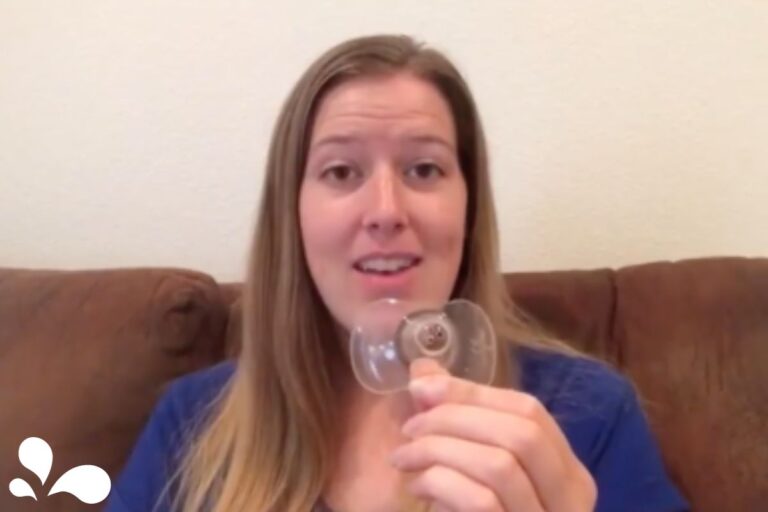

Breast engorgement is a common experience for many new mothers, typically occurring between two and five days after birth. It happens when breast tissue becomes overfilled—not just with milk, but also with an increase in blood and other fluids rushing to the area.
While some fullness is normal, significant engorgement can lead to pain, difficulty latching, and discomfort that can make the early days of breastfeeding feel overwhelming.
Overview of the Guide
Our new guide, Managing Breast Engorgement: A Practical Guide, breaks down essential strategies to minimize swelling and maintain milk flow. Available as a comprehensive resource on our website and a downloadable PDF, it offers step-by-step instructions to help ease engorgement discomfort and promote successful breastfeeding.
This guide is a resource created from our experience as International Board Certified Lactation Consultants (IBCLCs).
We use this guide primarily for after-consult care instructions to reinforce the support we provide during appointments. We are making it publicly available to ensure every breastfeeding parent has access to these vital management techniques.
Key Sections of the Guide
The guide walks you through the “what, why, and how” of engorgement. It covers:
- Understanding Engorgement: What causes it and how to recognize the signs (such as firm, swollen breasts or flattened nipples).
- Prevention Strategies: Proactive “Do’s and Don’ts,” including the importance of early and frequent feeding (8–12 times in the first 24 hours).
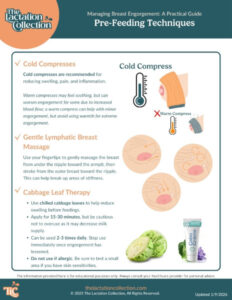
- Management Techniques: Practical steps you can take before, during, and after feedings to find relief. This includes the proper use of cold compresses, gentle lymphatic breast massage, and cabbage leaf therapy.
Benefits of Using the Guide
We designed this guide to be an easy-to-follow, practical tool. It clears up common misconceptions—such as when to use cold vs. warm compresses—and provides actionable steps you can take immediately to reduce inflammation. It serves as a handy reference that you can return to whenever you feel the onset of extreme fullness.
Who Can Benefit from the Guide?
This guide is perfect for expecting mamas who want to be prepared for the first week postpartum, as well as new mamas currently experiencing the tightness and discomfort of breast engorgement.
How to access the guide
Visit the Preventing and Managing Breast Engorgement page. The page includes the full guide content, making it easy to read on your phone or computer.
You will also find a link to download the PDF version, which features a “Quick Checklist Summary” (Appendix) that you can print out or keep on your device for quick reference.
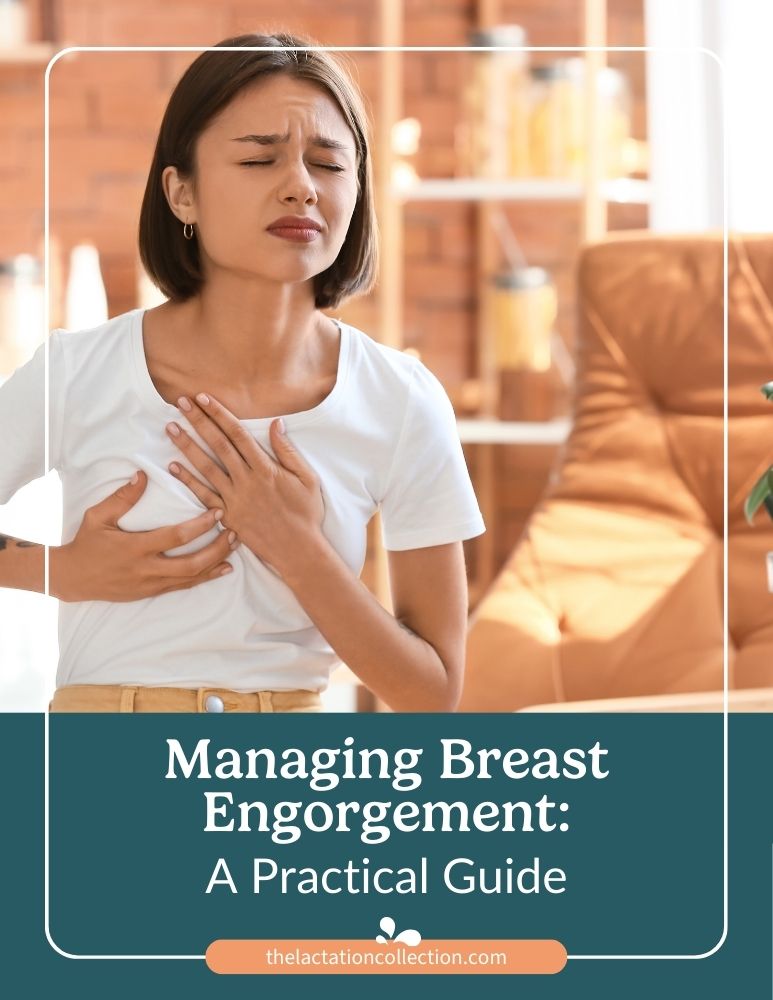

PDF Cover Page 1 Page 2 Page 3 Page 4 Page 5 Page 6 Page 7 Page 8 Page 9 Page 10




Use and Share the Guide
We encourage you to use this guide to navigate the challenges that can come from breast engorgement throughout your breastfeeding journey. Bookmark it for future reference, and share it with any friends or family members who are expecting or have just given birth.
Your feedback is invaluable; connect with us on Instagram, Facebook, or through our contact form to share your experiences or suggestions for improvement.
This guide is informational and not a substitute for professional medical advice. If you have any concerns or complications, we strongly advise seeking proper medical assistance. For personalized advice and support, consider booking a consultation with us.