

Flat or inverted nipples? You can still breastfeed.
Does your nipple go flat the moment baby tries to latch? Does baby slip off, bob around, and cry at the breast?
You’re not alone.
IBCLCs (the highest lactation qualification)















You’re not alone
About 1 in 10 people have flat or inverted nipples. (1)
Many arrive scared they can’t breastfeed at all, or already using a nipple shield with no plan to come off it. We understand.
The first 2 to 4 weeks are usually the hardest.
Many nipples come out more (evert) with time and nursing.
You might have flat or inverted nipples if…

Your nipple goes flat or pulls inward when baby tries to latch

Baby slips off, bobs around, or can’t stay latched

Your nipple comes out creased or lipstick-shaped after feeds

You can’t see a nipple when your breast is full

You’re already using a nipple shield and don’t know how to wean off it

One side works fine but the other doesn’t

Baby feeds a long time but still seems hungry or fussy
Sound familiar?
You don’t have to push through it.
We can help →
What are flat and inverted nipples, in plain words?
Nipples come in many shapes. Most are not a problem. Trouble starts when baby can’t get enough breast tissue in their mouth to latch deep and remove milk.
That can happen with three common patterns:

Flat nipples
The nipple sits level with the areola. It doesn’t stick out much, even with stimulation.
Baby might latch to the tip instead of a mouthful of breast.
That shallow latch can hurt and leave a creased, lipstick-shaped nipple after feeds.
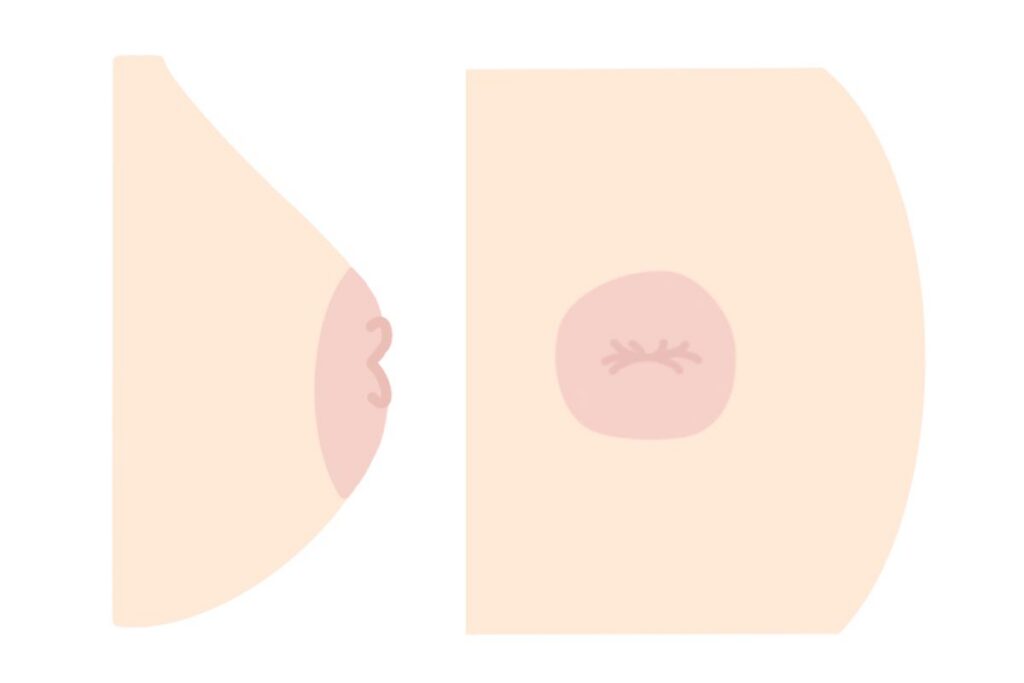
Inverted nipples
The nipple pulls inward instead of out. Some invert only when baby latches (pseudo-inverted).
Some stay inward even when you try to draw them out (true inversion).
A simple pinch test helps: squeeze about an inch behind the nipple. If it pulls inward, that’s true inversion. If it pops out, it’s likely not.

Swollen, not flat
This one catches many mamas off guard. Right after birth, IV fluids and engorgement can make nipples look flat when they’re not.
Hospital staff may hand you a shield and send you home. Often the nipple comes out fine once swelling goes down.
If your breasts were full and hard when you were told your nipples are “flat,” get a second look.
Here’s the part many mamas never hear: flat nipples often get easier with time. Weeks of nursing and your baby’s growing mouth can draw your nipple out. You’re not stuck with day-one anatomy forever.
Does every flat nipple need a nipple shield?
No. A shield can be a useful bridge when baby truly can’t latch yet. It’s not a failure, and it’s not forever. But it should come with a sizing check, a supply plan, and a wean plan. Used without guidance, shields can stay on for months while the real latch problem never gets fixed.
That’s the order TLC follows: try to draw the nipple out and latch deep first. Use a shield when needed to keep baby fed and keep you nursing. Wean off it step by step as your latch improves.
If you’re also dealing with nipple damage, see our sore, cracked & bleeding nipples page. If baby clicks or slips off even with a deep latch attempt, see our tongue & lip tie page.
Try these tonight if you have flat or inverted nipples
These are the first steps our IBCLCs coach in care plans. They’re the best first steps to take while you build a longer plan.
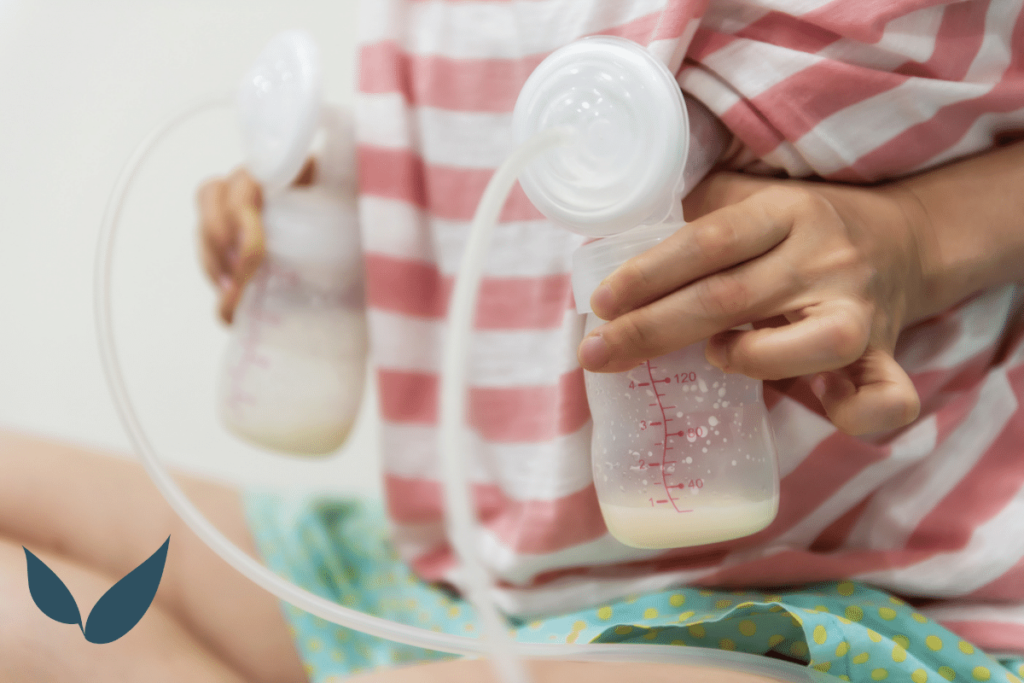
- Draw your nipple out before the latch. Hand express or pump for 2 to 5 minutes, or roll the nipple between your fingers. Press the breast tissue back from the areola so your nipple sticks out.
- Use laid-back positioning. Recline so gravity helps your nipple stick out and baby can use their reflexes to latch deeper.
- Aim for chin-first contact. Nose to nipple, wait for a wide open mouth, bring baby in quickly. A deeper latch helps every nipple shape.
- Soften a full areola first. If your breasts are engorged, use reverse pressure softening or hand express a little milk so baby can latch. See our engorgement page.
- Start with the easier side. If one nipple works better, offer it first when baby is hungriest.
- If you use a shield, size it right. The shield should fit your nipple, not just “kind of work.” Wrong sizing can cut milk removal and hurt your supply.
- Protect your supply. If baby isn’t removing milk well yet, pump or hand express after feeds so your body keeps getting the “make milk” signal.
Many mamas see the first real progress within 2 to 4 weeks. If you’re not improving, or your nipples are getting more damaged, it’s time for a full latch check.
When should you get help for flat or inverted nipples?
Reach out to an IBCLC (and your pediatrician) if you notice:
- Baby isn’t gaining weight well, or you’re supplementing more than you want to
- Nipple pain or damage that isn’t healing
- You’re stuck on a nipple shield with no wean plan
- One side never works, even with techniques
- You were told “flat nipples” in the hospital but feeding still fails after engorgement settles
- You’re pregnant and already know your nipples are flat or inverted (prenatal consults help)
- You’ve had a hard time before and want a better start this time
You don’t have to wait until you’re in pain or panicking. Early help means less damage and a clearer path off the shield.
What a lactation consult for flat or inverted nipples with a TLC IBCLC looks like
When you come to us with flat or inverted nipples, your IBCLC will:
- Watch a full feed and see exactly where the latch breaks down: anatomy, positioning, baby’s suck, or a tie
- Teach ways to draw your nipple out that fit your body: hand expression, brief pre-feed pumping, press-back, and positioning
- Fit and coach a nipple shield only if needed, with a clear wean plan from day one
- Check your flange size and pump setup so pumping protects your supply without adding nipple pain
- Weigh baby before and after a feed when you’re not sure baby is getting enough, so you can measure actual milk removal
- Check for other causes like a tongue tie, lip tie, or tight jaw and neck muscles. For the mamas we’ve helped with flat or inverted nipples, about half also had a tongue or lip tie.
- Build a supplementation plan if baby needs extra milk while the latch improves, by bottle or a small tube at the breast
- Follow up as your nipple comes out more and the shield comes off
Pick what works for you: a visit in your own home, a virtual consult from anywhere, or a prenatal visit before baby arrives. Many insurances accepted. If needed, we can help you check your coverage.


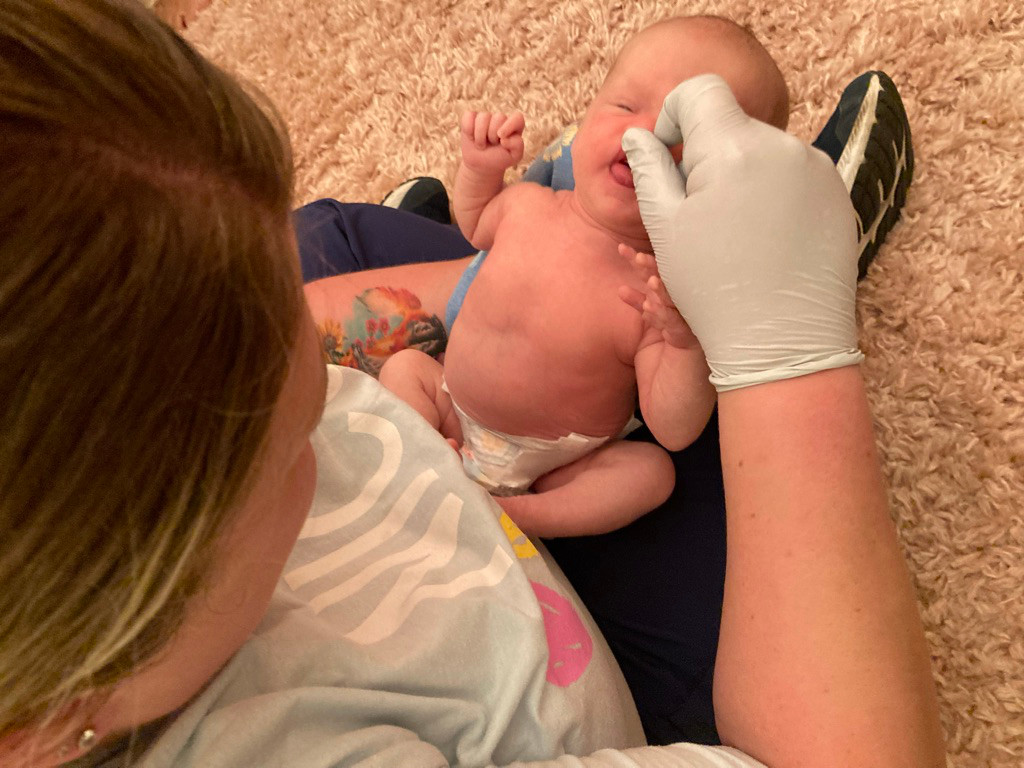


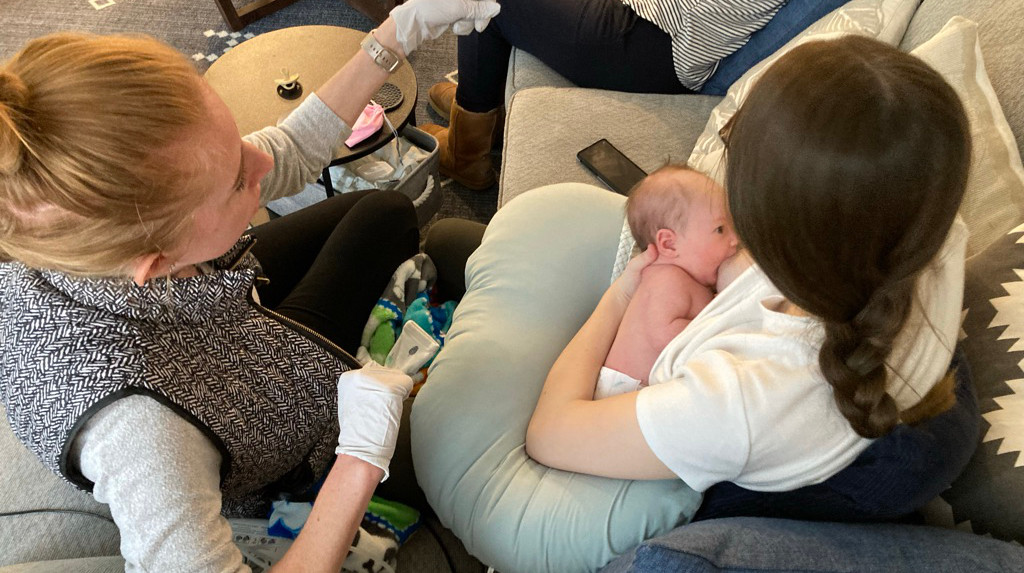

Other mamas like you have had great experiences with our IBCLCs
Flat nipples don’t have to end breastfeeding.
A plan built for your nipples can change the whole first month.
Many insurances accepted.
Flat & Inverted Nipple FAQs
-
Can I breastfeed with flat or inverted nipples?
Yes, in most cases. Nipple shape makes latching harder, not impossible. Many mamas need techniques, positioning help, and sometimes a temporary shield. With IBCLC support, most find a path that works.
-
Do flat nipples mean I won’t make enough milk?
No. Milk supply runs on how often and how well milk is removed, not nipple shape. Supply worry is common with flat nipples because it’s hard to see how much milk baby is removing. A weighed feed can show what’s really happening.
-
Will my nipples get better over time?
Often, yes. Many flat or inverted nipples come out more after weeks of nursing. Baby’s mouth also grows, which helps. The hardest stretch is usually the first 2 to 4 weeks.
-
Do I need a nipple shield?
Not always. When a shield is needed, it should be the right size and come with a wean plan. We use shields as a bridge, not a forever tool.
-
Will a nipple shield hurt my milk supply?
Not if it’s used well. Wrong shield sizing and poor milk removal can lower the “make milk” signal. That’s why we pair shield use with pumping or hand expression when needed, until the latch improves.
-
Should I do Hoffman’s exercises or use breast shells before baby comes?
A large UK study (the MAIN Trial) found neither Hoffman’s exercises nor breast shells improved breastfeeding rates. (2) What does help is knowing your anatomy and having a plan. A prenatal IBCLC visit can do that better than exercises alone.
-
Do you take insurance? Can you come to my home?
Yes. We work with The Lactation Network, Wildflower, and other insurers. Check the logos on the back of your insurance card. We offer visits in your home and virtual consults. We’ll help you check your coverage when you book.
Other issues related to flat & inverted nipples

Sources:
- NIH StatPearls — Inverted Nipple (prevalence 3–10%); cohort study of 3,006 pregnant women (~9.8%)
- MAIN Trial Collaborative Group (RCT: prenatal Hoffman’s exercises and breast shells did not improve breastfeeding rates)