

Painful lump in your breast? It could be a clogged duct.
Did you find a hard, tender spot that hurts most when baby latches? Are you scared it’s turning into mastitis?
You’re not alone.
We bring you the highest lactation support, IBCLCs
IBCLC: International board-certified lactation consultant; learn about IBCLCs














You’re not alone
Up to 1 in 5 breastfeeding mamas gets a clogged duct. (1)
We understand the worry of finding a hard, sore knot and wondering if you did something wrong. You didn’t.
Up to 1 in 5 breastfeeding mamas gets a clogged duct.
A clog isn’t a chunk of milk jammed in a pipe.
You might be dealing with a clogged duct if…

You feel a hard, tender lump, about the size of a pea or a marble

One spot is sore, and it hurts most when baby latches (but eases a little after)

The area looks a little pink, but it’s not hot, red, and angry

You feel shooting pains when your milk lets down

There’s a white dot or blister on your nipple (a milk bleb)

The lump shrinks or moves after a feed, then fills back in

You keep getting them, over and over, and want to know why

You’re scared it’s about to turn into mastitis
Sound familiar?
You don’t have to push through it.
We can help →
What actually causes a clogged duct?
First, let go of the pipe picture. Your breast has many tiny, weaving ducts, and a single one can’t get corked by a lump of milk. (2) A clog is a spot where milk backed up, the tissue got a little swollen, and that swelling pinched the duct. So the real question is: what let milk sit there?
It almost always traces back to one of these four:

A shallow latch or milk left behind
If baby doesn’t remove milk well, some stays behind and backs up.
A shallow latch, a tongue tie, or an off position can all lower your milk removal on one side.
In the mamas we see for clogs, this is the most common thread.

Oversupply and over-pumping
Milk works on supply and demand. Pumping extra “to be safe” tells your body to make even more.
Too much milk means fuller ducts and more backups.
If you make more than baby needs, clogs come easier.
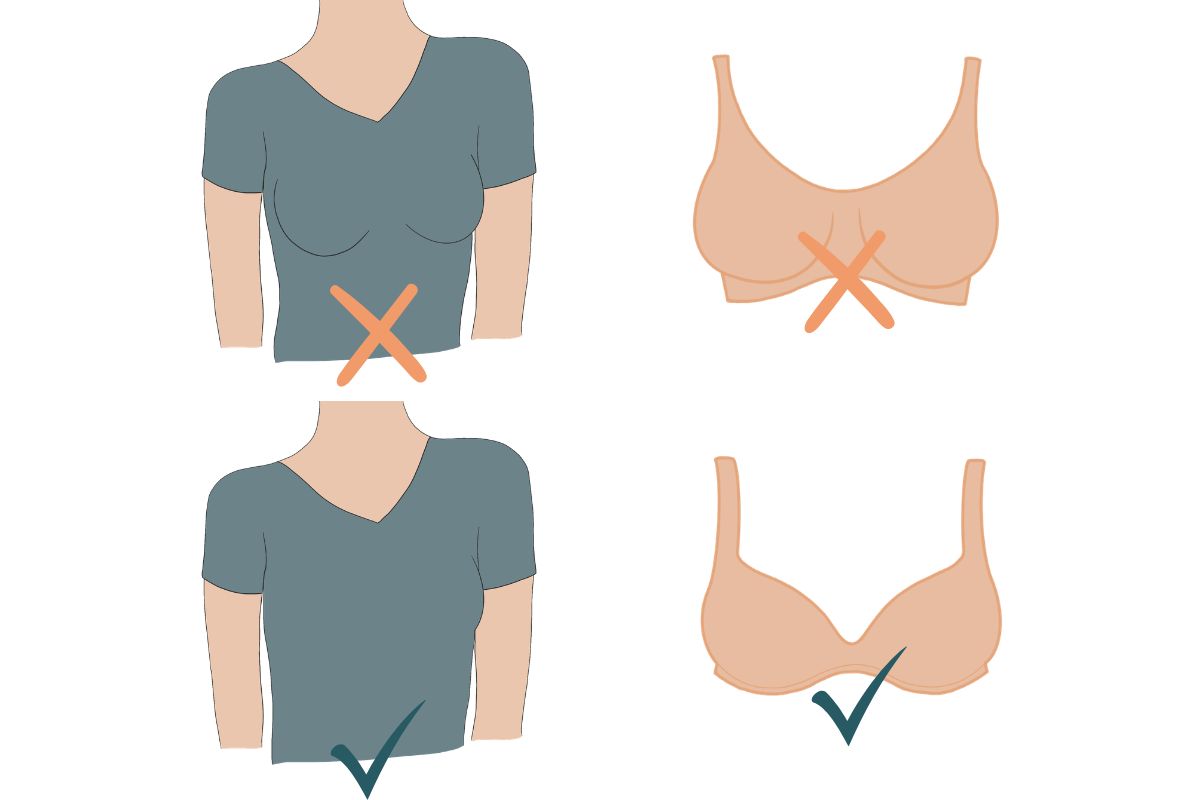
Pressure on the breast
Anything that presses on a spot for a while can slow milk there.
A tight or underwire bra, a wearable pump squeezing one area, a heavy bag strap, or sleeping on the same side every night.
Small pressure, big backup.

A skipped or stretched feed
A long night of sleep, a busy day, a missed pump at work.
When a feed gets skipped or pushed late, milk sits longer than usual.
Milk that sits is milk that can back up.
Here’s the part many mamas never hear: the goal isn’t to attack the lump. It’s to keep milk moving gently and fix what caused the backup. If your whole breast feels rock hard and full all over, instead of one sore spot, that’s engorgement, and our engorgement page walks you through it.
Skip these: old advice that makes a clogged duct worse
You’ll still hear these from friends and older articles. The newest guidance says to skip them. (2)
Digging at a bleb with a needle. Please don’t. A gentle warm soak and an IBCLC are the safe route.
Deep, hard massage. “Just massage it out” damages tender tissue and adds more swelling. It can even push you toward mastitis. If it hurts, it’s too hard.
Long heat sessions. Heat widens blood vessels and pulls more fluid into a breast that’s already swollen. (3) A quick warm shower right before a feed is fine. Soaking in heat is not.
Pumping the breast “empty.” Your body reads an empty breast as an order for more milk. You get more supply and more clogs.
Vibrating massagers and electric toothbrushes on the lump. Same problem as hard massage: trauma to swollen tissue.
Try these tonight if you have a clogged duct
These are the first steps our IBCLCs coach in care plans. We’ve found them to be the best immediate steps to take for relief.
- Keep feeding, and start on the sore side. Baby is your best help. Feed on demand, the way you normally would. Don’t add a bunch of extra sessions.
- Ice after feeds. A cold pack wrapped in a thin cloth, about 10 to 15 minutes. Ice calms the swelling that pinched the duct. It’s the step our own care plans reach for most.
- Go gentle, not hard. Light sweeps from the lump toward your armpit help move fluid out. Think petting a cat, not kneading dough. A little olive or coconut oil helps your hand glide.
- Loosen anything tight. Change out of a tight bra. Move a bag strap. Switch up your sleep side. Take pressure off the spot.
- Ask your provider about ibuprofen. It eases both the swelling and the pain, and it’s considered fine with breastfeeding. (3)
- Don’t over-pump. If baby can’t feed, express just enough to feel comfortable, not to empty. Emptying tells your body to make more.
- For repeat clogs, ask about sunflower lecithin. (2) Many mamas find it helps prevent the next one. Some of our IBCLCs suggest choline instead, which can be easier on digestion. Check with your provider on dose.
Most clogged ducts ease within 24 to 48 hours. If you get a fever, or it’s worse after a day, it’s time for help.
When should you get help for a clogged duct?
Reach out to an IBCLC (and your doctor) if you notice:
- No better after a day or two of ice, gentle care, and normal feeding
- The lump is getting bigger, harder, or more painful
- Fever, chills, or feeling like you have the flu
- Red, hot, or spreading skin, or red streaks on the breast
- A milk bleb or clog that keeps coming back in the same spot
- Clogs that keep returning, no matter what you try
Here’s the quick way to tell a clog from mastitis: a clog is a sore lump, but you feel okay overall. Mastitis adds a fever, chills, and a hot, spreading red patch. That means the swelling may be turning into an infection, so call your doctor the same day. Then work with an IBCLC to fix the milk removal so it doesn’t keep happening. You don’t have to wait until it’s urgent. Early help means faster relief.
What a lactation consult for a clogged duct with a TLC IBCLC looks like
When you come to us with a clogged duct, your IBCLC will:
- Work to ease the pain first, with gentle softening, ice timing, and light lymphatic sweeps you can do yourself
- Watch a full feed and find what’s letting milk sit: latch, position, a tongue tie, or a sleepy feeder
- Check your pump and flange fit, since a wrong flange size is a common cause of clogs for pumping mamas
- Look at your supply, because oversupply is a top reason clogs keep coming back
- Coach according to updated recommendations: gentle care, ice, breast gymnastics, and hand expression, never the hard “massage it out” method
- Add sunflower lecithin or choline to your plan when recurring clogs are part of your story
- Build a plan to prevent the next one and to keep a clog from turning into mastitis
- Follow up to make sure the lump is gone and stays gone
Most mamas we see for a clog also mention a latch or pump problem. That’s usually the real cause, and fixing it is what stops the cycle.
Pick what works for you: a visit in your own home, a virtual consult from anywhere, or a prenatal visit to fit your pump before baby arrives. Many insurances accepted. If needed, we can help you check your coverage.







Other mamas like you have had great experiences with our IBCLCs
Painful clog? Let’s clear it and keep it from coming back.
The right care can stop a clogged duct from becoming mastitis.
Many insurances accepted.
Clogged duct FAQs
-
How do I get rid of a clogged duct fast?
Keep feeding normally and start on the sore side. Ice after feeds, use light massage toward your armpit, and ask your provider about ibuprofen. Most clogs clear in 24 to 48 hours. Skip the hard massage and heat.
-
Should I use heat or ice on a clogged duct?
Ice. Cold calms the swelling that pinched the duct. Heat can widen blood vessels and make the swelling worse. (3) The one exception: a quick warm shower right before a feed can help milk start to flow.
-
Should I pump extra to clear the clog?
No. Emptying the breast tells your body to make more milk, which brings more clogs. Feed the way you normally do, and express just enough to stay comfortable if baby can’t nurse.
-
How do I know if it’s a clogged duct or mastitis?
A clog is a tender lump, but you feel okay otherwise. Mastitis adds a fever, chills, a flu-like feeling, and a hot, spreading red patch. If those show up, call your doctor the same day.
-
Why do I keep getting clogged ducts?
Recurring clogs almost always have a cause: oversupply, a shallow latch, a wrong flange size, or steady pressure on one spot. Find and fix that, and the clogs usually stop. Many mamas also add sunflower lecithin to help. (2)
-
What’s the white dot on my nipple?
That’s a milk bleb, or milk blister. Keep feeding, soak it gently with warmth, and don’t dig at it. If it keeps coming back, an IBCLC can help you clear it safely.
-
Is it safe to keep breastfeeding with a clogged duct?
Yes. Keep feeding, your milk is perfectly safe for baby. Feeding is actually part of how the clog clears.
-
Do you take insurance? Can you come to my home?
Yes. We work with The Lactation Network, Wildflower, and other insurers. Check the logos on the back of your insurance card. We offer visits in your home and virtual consults. We’ll help you check your coverage when you book.
Other issues related to clogged ducts

Sources:
- The Lactation Network — What you need to know about clogged milk ducts (up to 20% of breastfeeding parents get clogged ducts)
- Academy of Breastfeeding Medicine, Clinical Protocol #36: The Mastitis Spectrum (2022) (a clog is ductal inflammation and narrowing, not a macroscopic milk plug; avoid deep massage; feed physiologically; lecithin may help)
- AAFP — Mastitis: Rapid Evidence Review (2024) (ice and NSAIDs first-line; heat can vasodilate and worsen symptoms)