

Not sure you’re pumping right? Let’s find out.
Are you hooking up to your pump and wondering if you’re doing it right? Do the bottles fill slower than you expected?
You’re not alone.
We bring you the highest lactation support, IBCLCs

IBCLC: International board-certified lactation consultant; learn about IBCLCs














You’re not alone
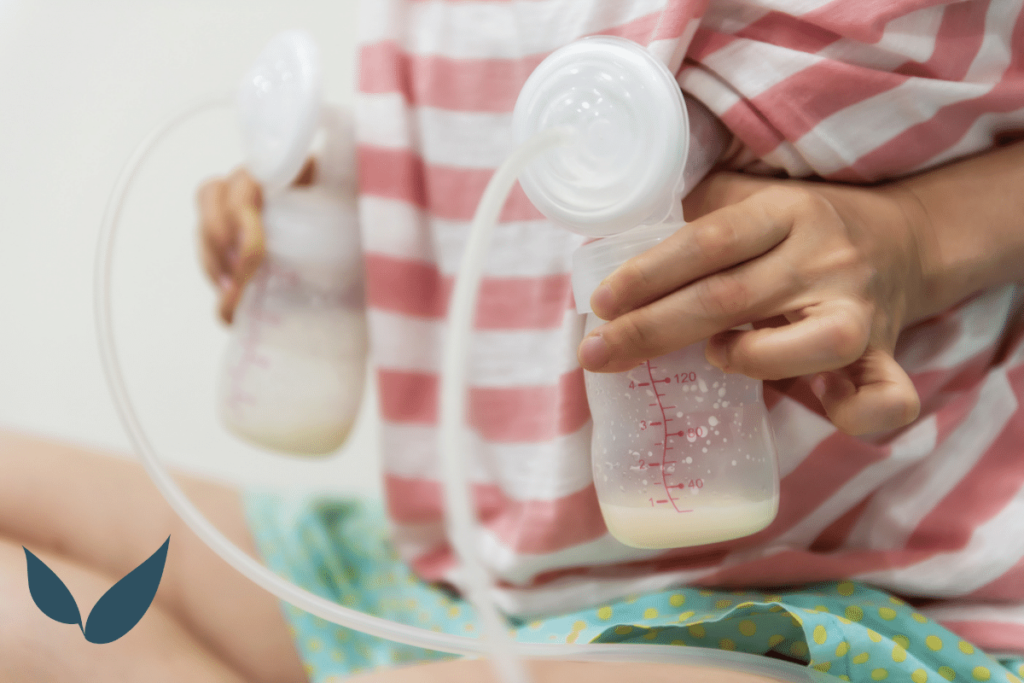
Almost every breastfeeding mama pumps at some point: for a night out, a return to work, a NICU stay, or a supply plan.
We coach pumping in about 3 out of 4 care plans we write.
A pump removes less milk than a well-latched baby.
Low bottles usually point to the pump setup, not to you.
You might need pumping help if…

You can’t get much milk out when you pump, even though baby seems fed

Pumping hurts, or your nipples look swollen or ringed after a session

You’re going back to work and don’t know how to build a schedule or a stash

You have no idea how often to pump, or when, or for how long

One side pumps way more than the other

You want to combine nursing and pumping without confusing your supply

Baby won’t take a bottle of your pumped milk

You’re exclusively pumping and worried about keeping your supply up
Sound familiar?
You don’t have to push through it.
We can help →
What usually goes wrong with pumping?
When pumping disappoints, mamas usually blame their supply. That’s rarely the real story.
Almost every pumping problem we see starts in one of four places:
The flange in the box
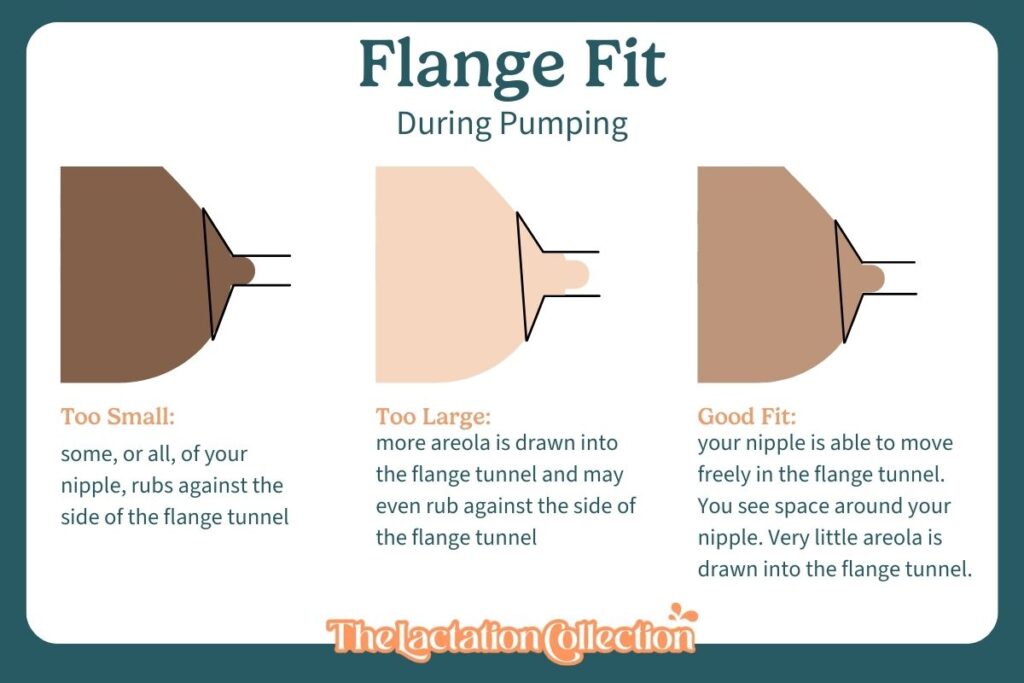
Most pumps ship with a 24mm flange. Research shows most nipples measure well under that. (1)
A too-big flange pulls areola into the tunnel, rubs, hurts, and removes less milk.
In our fittings, most mamas land smaller, often with inserts. If you never measured, you’re probably using the default.
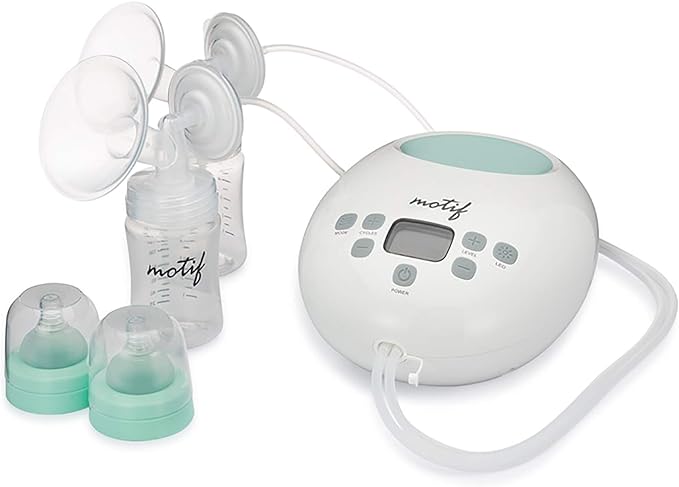
Suction set to “max”
Higher suction does not mean more milk.
Pain shuts down your letdown, and letdown is what moves milk.
The best vacuum is the highest level that still feels comfortable.
Cycle speed matters too: fast to trigger the letdown, slower to drain.

A schedule without a goal
Every pump session should have a job:
- Replace a feed you’re away for
- Follow a feed to build supply
- Ease fullness for comfort
Random extra sessions tell your body to make more milk than baby needs. Then come engorgement and clogs.

Wrong expectations
Between feeds, 2 to 4 ounces combined is a normal session for many mamas. Mornings run higher.
One side often out-pumps the other. Output swings day to day.
Judge your week, not a single bottle at 2 pm.
Fit, settings, schedule, expectations. Get those four right and the pump becomes a tool that serves your plan, instead of a machine that judges you.
Do you need a new pump? Probably not.
For the mamas we’ve helped with pumping, we almost never recommend buying a new pump. The pump you own, fitted and tuned right, is nearly always enough. One caveat: wearable pumps are wonderful for busy days, but they remove less milk than a standard double electric. Use your wearable as a helper, not your main pump. Watch your supply when you add one.
If your supply itself is the worry, see our low milk supply page. If you’re pumping through rock-hard fullness, see our engorgement page.
Try these tonight if pumping isn’t working
These are the first steps our IBCLCs coach in care plans. They’re the best first experiments to run before your next session.
- Check your flange fit. After pumping, look at your nipple. Rubbing, a ring mark, or areola pulled deep into the tunnel means the fit is off. Measure your nipple tip and try a smaller size or insert.
- Turn the suction down. Set it to the highest level that’s still comfortable, not the highest the pump goes. Comfort protects your letdown.
- Add a little coconut oil. A light coat inside the flange tunnel cuts friction and makes sessions kinder to your skin.
- Help your letdown. Warm your breast first, massage gently, and look at your baby or a photo. Stress and cold slow milk; calm speeds it.
- Use your hands. Breast compressions during pumping and a minute of hand expression after can add noticeably more milk.
- Give each session a job. Replacing a feed? Pump a full session. Building supply? Pump 10 to 15 minutes after a feed. Just full? Express to comfort and stop.
- Track totals, not sessions. Write down your 24-hour output for a week. Trends tell the truth; single sessions lie.
If a week of these doesn’t help, or pumping still hurts, it’s time for a fitting and a plan.
When should you get help for pumping?
Reach out to an IBCLC if you notice:
- Pain with pumping that doesn’t improve when you adjust fit and suction
- Your output keeps dropping week over week
- You’re back at work (or about to be) and your supply is slipping
- Baby won’t take a bottle and your return date is coming
- You’re exclusively pumping and can’t keep up with what baby eats
- Clogs or engorgement keep showing up on pumping days
- You’re pregnant and want your pump fitted and your plan ready before baby arrives
Going back to work? The sweet spot is booking 2 to 3 weeks before your first day, so your schedule, stash, and bottle plan are settled early.
What a lactation consult for pumping with a TLC IBCLC looks like
When you come to us with pumping questions, your IBCLC will:
- Measure and fit your flanges, including inserts for smaller sizes and options for elastic nipples
- Tune your pump settings so suction and cycle speed match your letdown, not the factory default
- Watch a full pump session and fix what’s costing you milk: positioning, timing, or technique
- Build your schedule around your goal: back to work, exclusive pumping, combo feeding, or a small stash
- Do the stash math with you, so you save what you’ll actually need instead of pumping around the clock
- Work to protect your supply when you add a wearable, drop a session, or return to work
- Plan your bottles, including pace feeding and what to do when baby refuses one
- Follow up as your schedule changes and your supply settles
Pick what works for you: a visit in your own home, a virtual consult from anywhere, or a prenatal visit to fit your pump before baby arrives. Many insurances accepted. If needed, we can help you check your coverage.
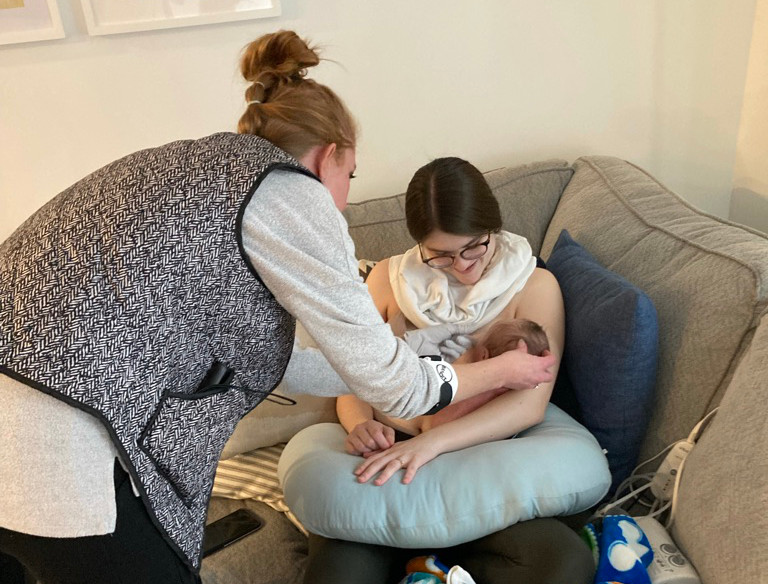

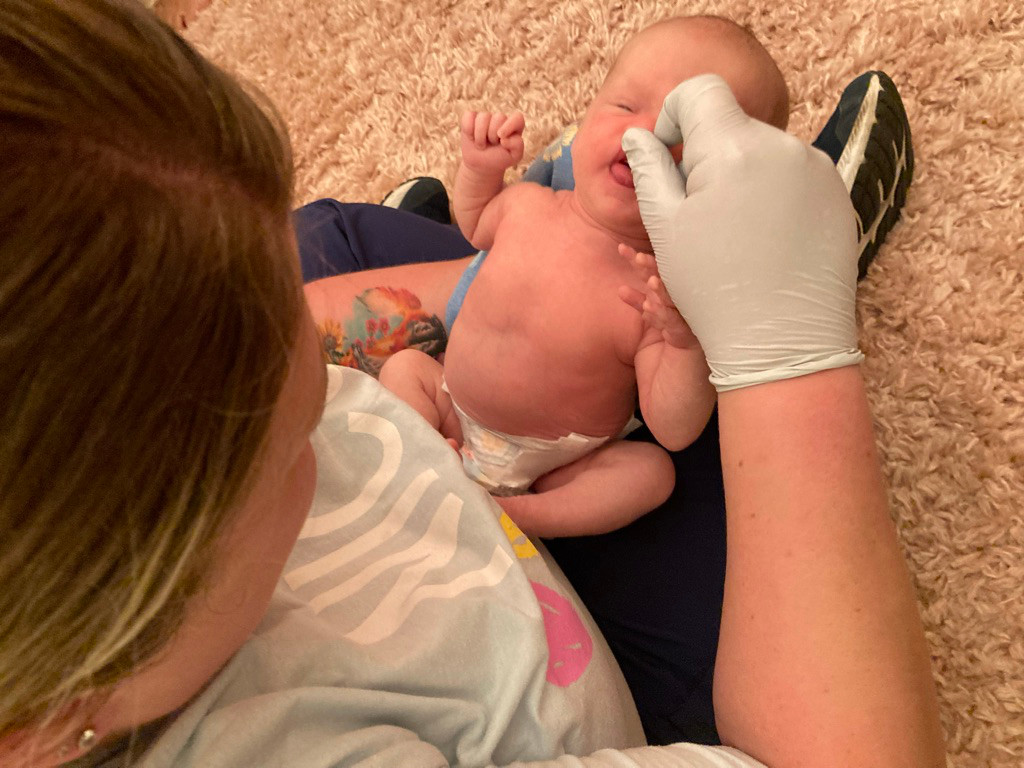


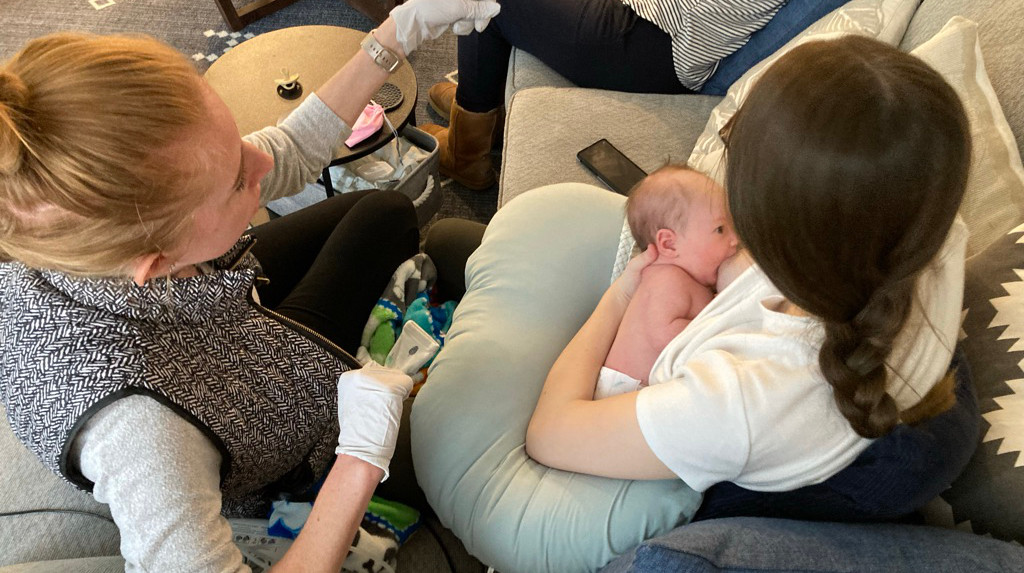

Other mamas like you have had great experiences with our IBCLCs
Make your pump work as hard as you do.
The right fit and schedule can change everything about pumping.
Many insurances accepted.
Pumping FAQs
-
How often should I pump?
It depends on your goal. Replacing feeds while you’re away? Pump about as often as baby would eat. Building a full supply or exclusively pumping? Aim for 8 or more sessions in 24 hours in the early months. Just adding a small stash? A short pump after every other feed is plenty.
-
How much milk should I get when I pump?
Between feeds, 2 to 4 ounces combined is common once supply is established. Mornings give more, evenings less. A pump also removes less milk than a nursing baby, so don’t read one bottle as your supply. Track your daily total for a week instead.
-
Why does one side pump so much more than the other?
Uneven sides are very common and usually nothing to fix. If the gap bothers you, start sessions on the slower side or add a few minutes there. A sudden change with pain or a lump is different; that can be a clog.
-
What flange size do I need?
Probably not the 24 mm that came in the box. Research shows most nipples measure well under that.(1) Measure your nipple tip, then trial a size where the nipple moves freely without pulling in areola. Fit can change over the first month, so re-check.
-
How long does pumped milk last?
The CDC’s rule for healthy full-term babies is 4-4-6: up to 4 hours at room temperature, 4 days in the fridge, and 6 months in the freezer for best quality (up to 12 is acceptable).(2) Thawed milk keeps 24 hours in the fridge. Never refreeze.
-
Does power pumping work?
It can. Power pumping copies cluster feeding: pump 20 minutes, rest 10, pump 10, rest 10, pump 10, once a day for a few days. It’s a short-term signal for more milk, not a daily routine. If supply doesn’t respond within a week, get a full check.
-
Will a wearable pump hurt my supply?
It can if it becomes your main pump. Wearables usually remove less milk than a standard double electric, and less removal slowly lowers your supply. Keep a standard pump for your anchor sessions and track your totals when you add a wearable.
-
Do you take insurance? Can you come to my home?
Yes. We work with The Lactation Network, Wildflower, and other insurers. Check the logos on the back of your insurance card. We offer visits in your home and virtual consults. We’ll help you check your coverage when you book.
Other issues related to pumping

Sources:
- Anders & Mesite Frem, Journal of Human Lactation — Flange FITS™ pilot study (average nipple base ~17 mm; standard 24 mm flanges too large for most participants)
- CDC — Breast Milk Storage and Preparation (adapted from ABM Clinical Protocol #8)