

Announcing Our New Guide, Managing Breast Engorgement: A Practical Guide
This comprehensive guide to provide you with actionable “Do’s and Don’ts” for prevention, as well as step-by-step relief techniques.

This comprehensive guide to provide you with actionable “Do’s and Don’ts” for prevention, as well as step-by-step relief techniques.

Welcome to a journey unlike any other—preparing to breastfeed your twins. If you’re feeling a mix of excitement and nervousness, you’re not alone. Breastfeeding one baby can seem daunting, and…
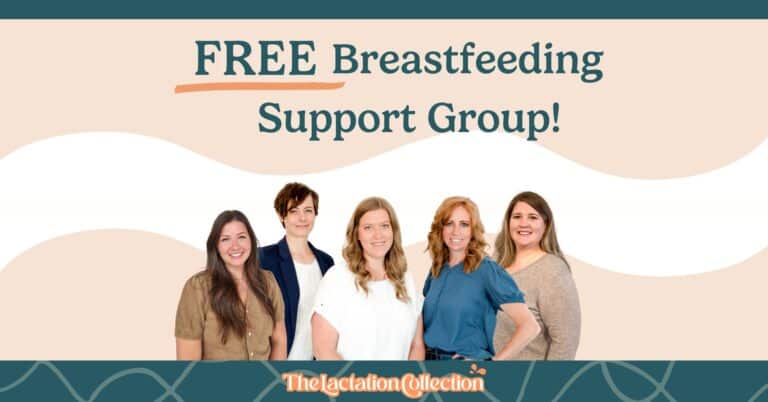
The Breastfeeding Support Group is an excellent opportunity for birth workers to meet and engage with our dedicated team of International Board Certified Lactation Consultants (IBCLCs).
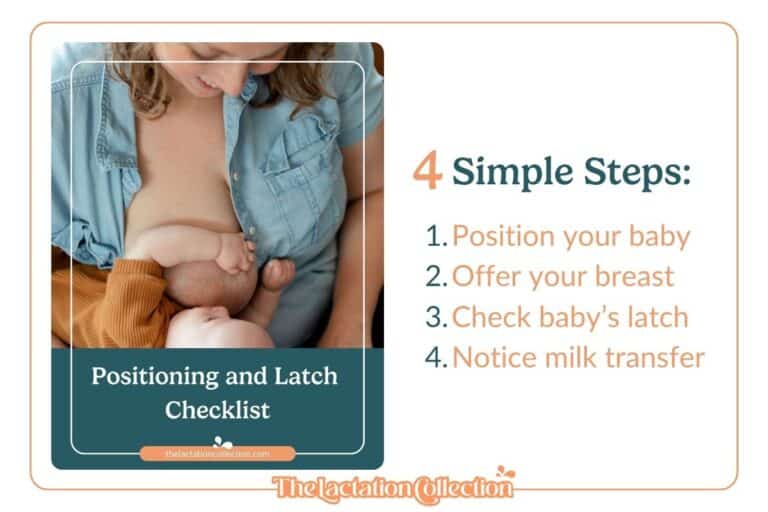
The Position and Latch Checklist breaks down the breastfeeding process into easy-to-follow steps, available as an interactive tool on our website and a downloadable PDF. This guide is a resource created from our experience helping hundreds of new mamas. It introduces the importance of positioning and latch in 4 Simple Steps.

As a mom of twins, I understand the concerns of how to breastfeed two babies. Can I exclusively breastfeed twins? Do you feed them both at the same time? Do…

There are many different positions in which you can feed your baby. Lucky for all of us, there is a great variety to choose from, so if one doesn’t work…
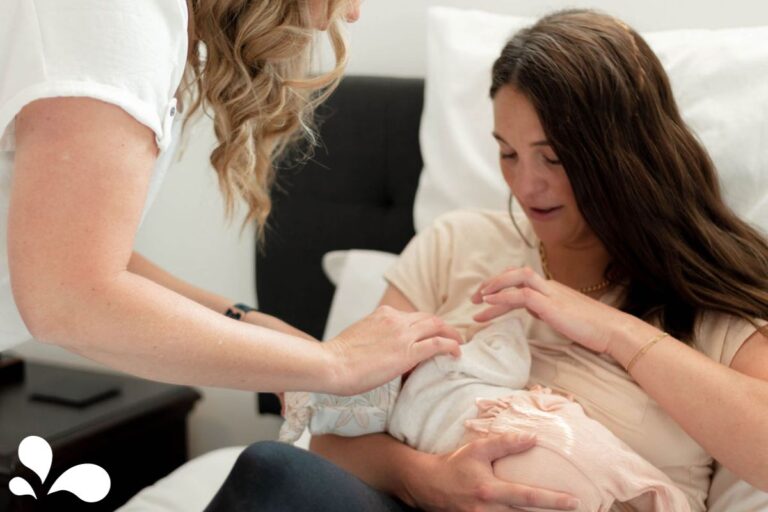
Your first question is going to be, “what is an IBCLC?” It’s a mouthful of an acronym, but it’s essential to understand in the lactation consultant world. What does IBCLC…

Newborn life is challenging. Often, even the most experienced parents struggle. We created this survival guide to help you have the best first two weeks possible. Let’s dive in. Take…

We’ve learned that it’s best feed your baby on-demand when they start showing signs of hunger. Feeding on-demand helps you meet all of your baby’s needs—hunger, comfort, bonding, and developmental…
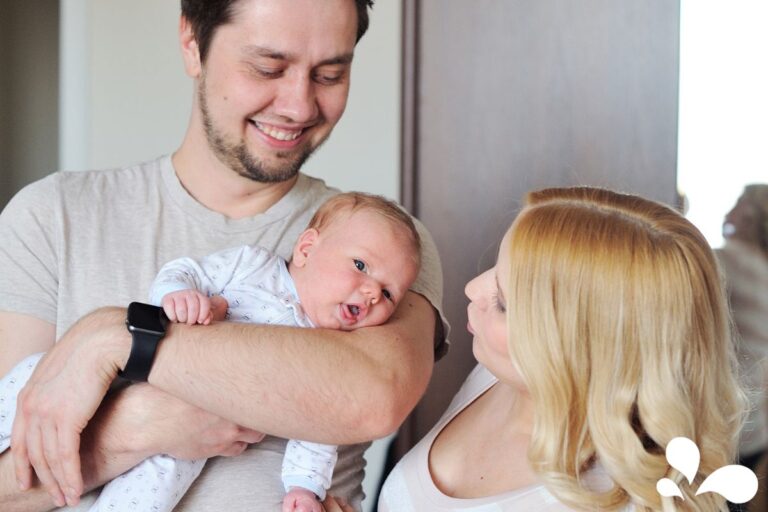
We know that moms are much more likely to continue breastfeeding when they have a supportive partner. As mentioned in our Breastfeeding Basics course, mamas are four times more likely…