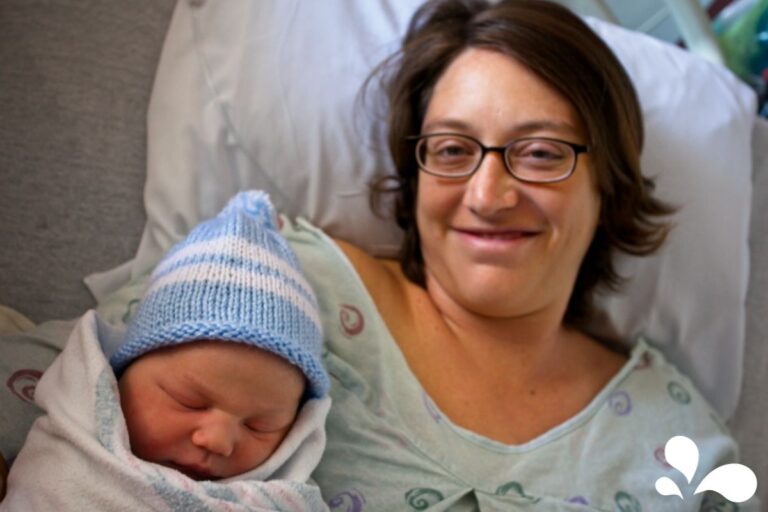

Your first question is likely, “what is an IBCLC?” It’s a bit of a mouthful of an acronym, but it will help you understand the lactation consultant world.
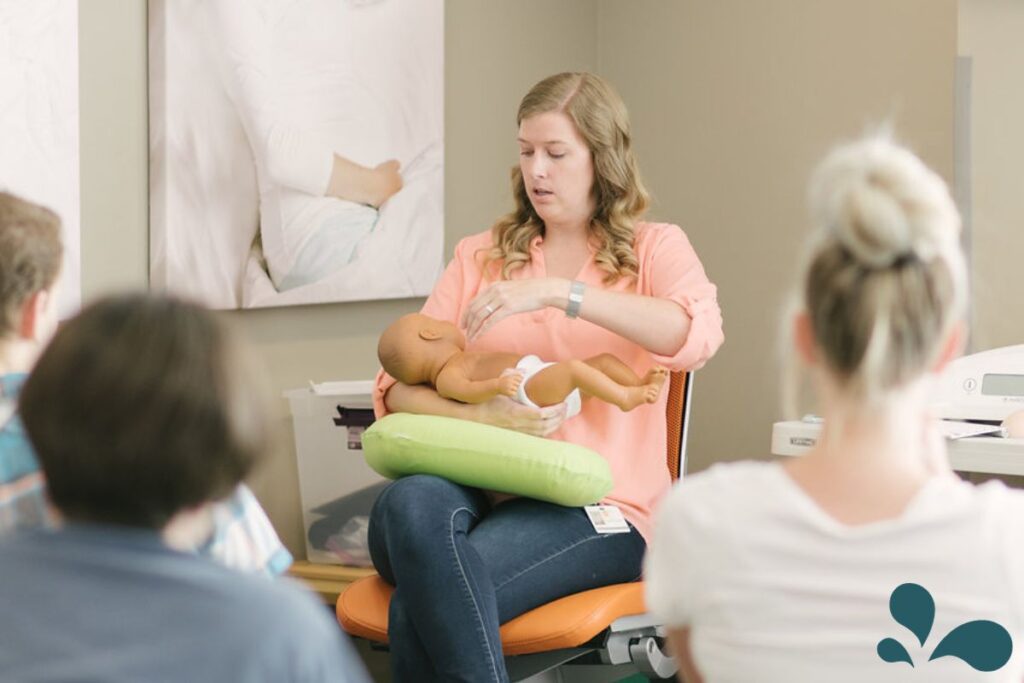
What does IBCLC stand for?
An IBCLC stands for “International Board Certified Lactation Consultant.”
The difference between a “Lactation Consultant” and an IBCLC is that an IBCLC is the gold standard for lactation care. IBCLCs are given that title as healthcare professionals who have taken 90 hours of lactation specific education, completed at least 500 clinical hours, passed a certification test, and certified through the International Board of Lactation Consultant Examiners (IBLCE).
As an RN (nurse), I qualified to become IBCLC through this training.
Not all lactation consultants are created equally, and it’s important to understand that since lactation workers aren’t regulated in most states.

What other lactation workers are there?
You may hear several acronyms. Let’s break them down.
- LC (Lactation Consultant—requires no formal training)
- CLE (Certified Lactation Educator—requires 20-hours of lactation education)
- CLC (Certified Lactation Counselors—45-hours of lactation education)
As you can see, IBCLCs have double the education hours compared to the second-highest educated lactation workers.
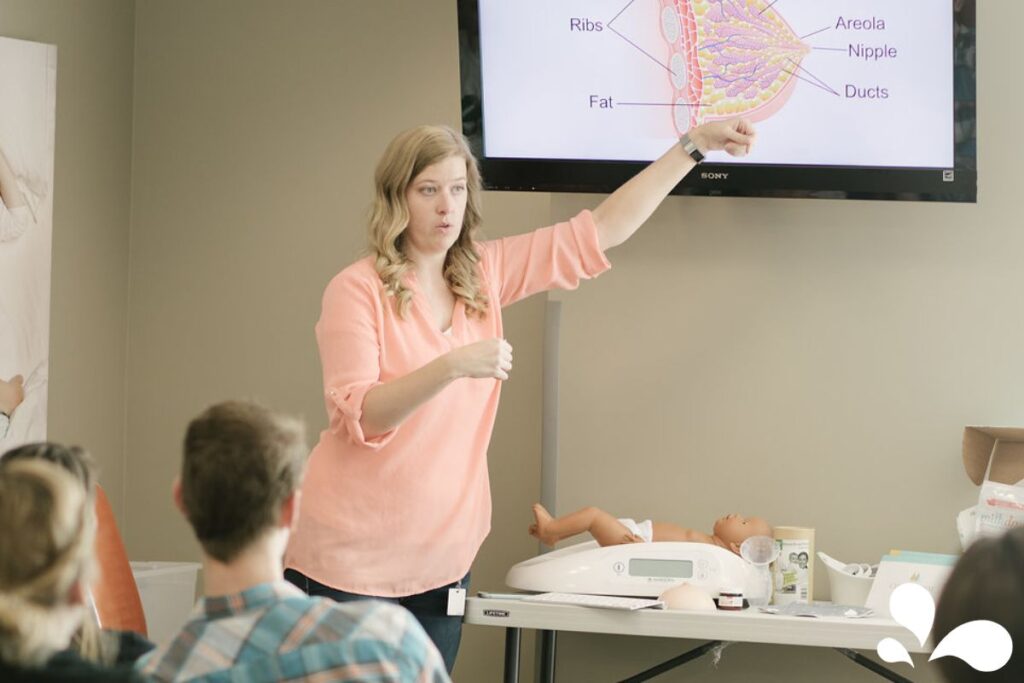
What can an IBCLC help with?
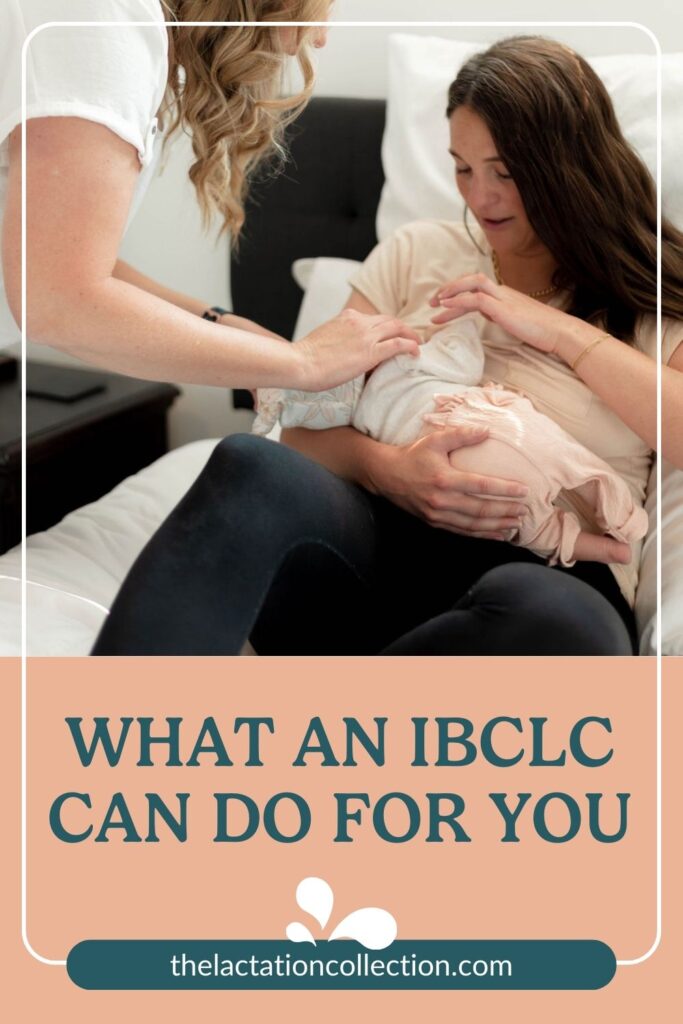
We’ve covered the different lactation workers, but we need to cover how an IBCLC can help you. Here is what we can help with:
- painful latch
- nipple trauma
- low milk supply
- slow weight gain for baby
- flange size and fit
- pumping troubleshooting
- customized plan for returning to work
- plugged ducts or mastitis
- tongue or lip tie
- supplementation
- increase milk supply
- starting solids
- weaning
- ANY breastfeeding or pumping questions
IBCLCs are here to assist you in whatever feeding issue you may come across.
As a group of IBCLCs, we are here to help and support you throughout your breastfeeding journey. We want you to breastfeed with confidence. We want to help you in any way we can to help you feel confident in your ability to breastfeed and your body’s ability to produce breastmilk.

DNP, CNM, WHNP, IBCLC, CEIM
I've had three IVF miracle babies, including twins.