Omega-3 fatty acids

Omega-3 fatty acids
Omega-3 fatty acids are essential fats that play an important role in maintaining overall health, particularly for the heart, brain, and eyes. They are not produced by the body and must be obtained through diet or supplements.
For breastfeeding mamas, ensuring adequate intake of omega-3 fatty acids is vital as they support both the mama’s health and the baby's development.
What to watch out for
It’s important to recognize the potential benefits of omega-3 fatty acids and understand how to incorporate them into your diet effectively. Here are some considerations and tips:
Benefits
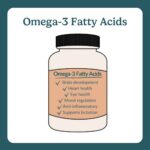
- Supports brain development: Omega-3 fatty acids are essential for the brain development of infants and young children.
- Heart health: Helps reduce the risk of heart disease by lowering blood pressure, reducing triglycerides, and preventing arrhythmias.
- Anti-inflammatory properties: Contains compounds that have anti-inflammatory effects, which can support overall health.
- Eye health: Supports healthy vision and may reduce the risk of age-related macular degeneration.
- Mood regulation: Omega-3s can help improve mood and reduce symptoms of depression and anxiety.
- Supports lactation: Adequate omega-3 intake is important for the health of breastfeeding mamas and the development of their babies.
Tips for ensuring adequate omega-3 intake
- Sources: Include a variety of omega-3-rich foods in your diet, such as fatty fish, flaxseeds, chia seeds, walnuts, and algae-based supplements.
- Supplements: If you are unable to get enough omega-3s from your diet, consider taking an omega-3 supplement as recommended by your healthcare provider.
- Balance with omega-6: Ensure a balanced intake of omega-3 and omega-6 fatty acids to support overall health.
Common sources of omega-3 fatty acids
- Fatty fish: Salmon, mackerel, sardines, trout, and herring are excellent sources of omega-3s.
- Flaxseeds: Ground flaxseeds or flaxseed oil are rich in alpha-linolenic acid (ALA), a type of omega-3 fatty acid.
- Chia seeds: These tiny seeds are a great plant-based source of omega-3s.
- Walnuts: A nutritious snack that provides a good amount of omega-3s.
- Algae-based supplements: Algae oil supplements are a vegan-friendly source of omega-3s, particularly DHA and EPA.
When to ensure adequate omega-3 intake
- During breastfeeding: Ensure adequate omega-3 intake to support your health and your baby’s brain and eye development.
- For heart health: Include omega-3-rich foods in your diet to help reduce the risk of heart disease.
- For anti-inflammatory benefits: Use omega-3s to help reduce inflammation and support overall health.
- For mental health: Incorporate omega-3s to help improve mood and reduce symptoms of depression and anxiety.
- As part of a balanced diet: Use omega-3s as a nutritious and essential component of your diet.
Precautions
- Consult your healthcare provider: Always consult your healthcare provider before starting any new supplement, especially if you are breastfeeding or have any underlying health conditions.
- Fish oil supplements: If taking fish oil supplements, ensure they are of high quality and free from contaminants such as mercury.
- Balance with other fats: Maintain a balanced intake of omega-3 and omega-6 fatty acids to avoid potential imbalances that can affect health.
Physical limitations or health circumstances
Certain conditions can influence omega-3 absorption and levels:
- Bleeding disorders: Omega-3s can affect blood clotting, so if you have a bleeding disorder or are taking blood-thinning medications, consult your healthcare provider before taking omega-3 supplements.
- Fish allergies: If you are allergic to fish, opt for plant-based sources or algae-based supplements to meet your omega-3 needs.
- Digestive disorders: Conditions that affect fat absorption, such as Crohn’s disease, may require special consideration for omega-3 intake. Consult your healthcare provider for appropriate management.
If you experience any of these conditions, working closely with a healthcare provider can help you manage your omega-3 levels effectively.
Other terms
Understanding related terms can help you better manage your breastfeeding and health experience with the support of omega-3 fatty acids:
- DHA (Docosahexaenoic acid): An omega-3 fatty acid important for brain and eye development, found in fatty fish and algae.
- EPA (Eicosapentaenoic acid): An omega-3 fatty acid that supports heart health and has anti-inflammatory properties, found in fatty fish.
- ALA (Alpha-linolenic acid): A plant-based omega-3 fatty acid found in flaxseeds, chia seeds, and walnuts.
- Anti-inflammatory: Refers to substances that reduce inflammation in the body, which omega-3 fatty acids are known for.
- Neurodevelopment: Refers to the development of the brain and nervous system, which omega-3s support, especially during infancy and early childhood.