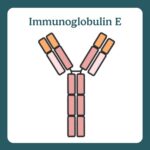
Immunoglobulin E

Immunoglobulin E
Immunoglobulin E (IgE) is an antibody that plays a key role in allergic reactions and the body’s response to allergens. It is less abundant in breastmilk compared to other immunoglobulins like IgA, but it still contributes to the immune protection of your baby. IgE helps the body recognize and respond to potential allergens, which can be important in the early development of your baby’s immune system.
For more information, visit the benefits of breastfeeding for baby.
What to watch out for
- Allergic reactions: If you or your baby have a family history of allergies, it's important to monitor for signs of allergic reactions, such as hives, eczema, or digestive issues. Breastmilk can help modulate the immune response, potentially reducing the risk of allergies.
- Environmental allergens: Exposure to allergens in your environment can influence IgE levels in your breastmilk. Maintaining a clean environment and avoiding known allergens can help manage your baby’s exposure.
- Diet and allergies: Your diet can impact the antibodies in your breastmilk. If you suspect your baby has a food allergy, consult a healthcare provider about possibly adjusting your diet to avoid allergens.
Physical limitations or health circumstances
Certain conditions might affect the levels of IgE and other antibodies in your breastmilk:
- Allergies and asthma: If you have allergies or asthma, your IgE levels might be higher. Managing these conditions with the help of a healthcare provider is important to ensure your well-being and the quality of your breastmilk.
- Genetic predisposition: A family history of allergies can influence your baby’s likelihood of developing allergies. Breastfeeding can help provide immune protection and potentially reduce allergy risks.
If you have concerns about health conditions or genetic predispositions affecting IgE levels, discuss them with a healthcare professional to ensure appropriate care.
Other terms
- Antibodies: Proteins produced by the immune system to help fight infections and respond to allergens. Breastmilk contains various antibodies that provide immune protection to your baby.
- Allergens: Substances that can cause allergic reactions. Common allergens include certain foods, pollen, and pet dander.
- Allergic reactions: Immune responses to allergens, which can include symptoms like hives, itching, and swelling. Monitoring for these symptoms in your baby is important.
- Eczema: A skin condition often associated with allergies, characterized by itchy and inflamed skin. Eczema can be influenced by allergens and IgE levels.