
Sore, cracked, or bleeding nipples?
They can heal
Do you wince every time baby latches? Scared to look down because there might be blood?
You’re not alone.
We bring you the highest lactation support, IBCLCs
IBCLC: International board-certified lactation consultant; learn about IBCLCs













You’re not alone
About 1 in 10 mamas who reach out to us mention nipple soreness or damage. We understand.
Sore nipples make you dread the very thing you want to enjoy.
The #1 fix in our sore-nipple care plans isn’t a cream…
it’s a deeper latch.
You might be dealing with nipple damage if…

Your nipples feel raw, burning, or “like razor blades” when baby latches

You see cracks, blisters, scabs, or a split in the nipple

There’s blood on your nipple, in pumped milk, or in baby’s spit-up

Your nipples are dry and cracking, or feel bruised

Your nipple looks creased, pinched, or lipstick-shaped after feeds

You feel burning or stabbing between feeds, not just during

You’ve switched to pumping just to escape the pain

Ointments help a little, but the damage keeps coming back
Sound familiar?
You don’t have to push through it.
We can help →
What causes sore or cracked nipples?
Sore nipples are a symptom. Something is rubbing, pinching, or pulling skin.
Here’s what’s usually going on…
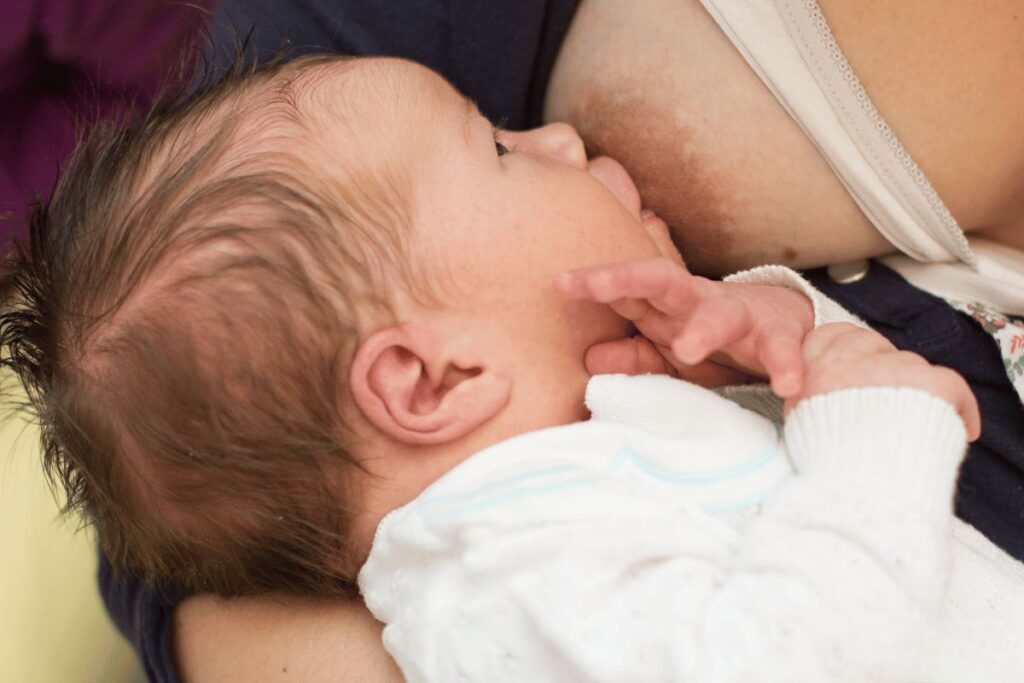
A shallow latch
(the most common cause)
When baby takes mostly the nipple instead of a big mouthful of breast, the nipple gets pinched against the hard roof of their mouth.
Every feed re-injures the same spot. That’s why creams alone don’t fix it.
The latch has to change first.
If you’re also struggling with pain at latch, see our painful latch page.
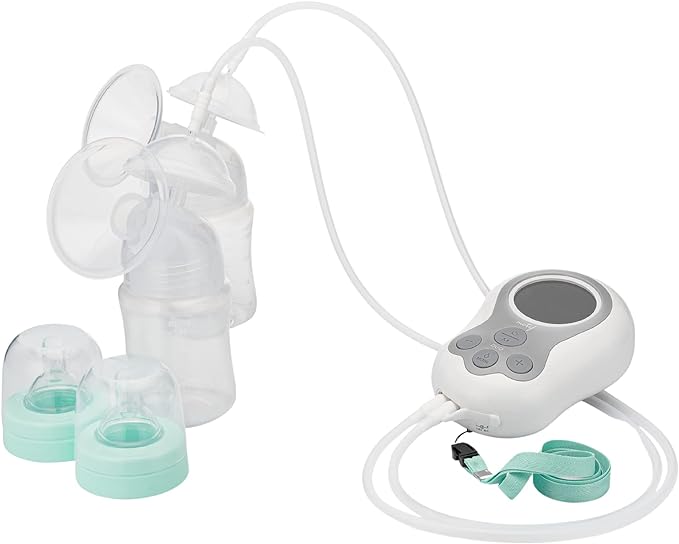
Your pump
(yes, really)
A flange that’s the wrong size, or suction set too high, can rub and crack nipples just like a poor latch can.
For mamas we’ve helped fix sore nipples, our IBCLCs corrected their flange size in about 1 in 8 care plans.
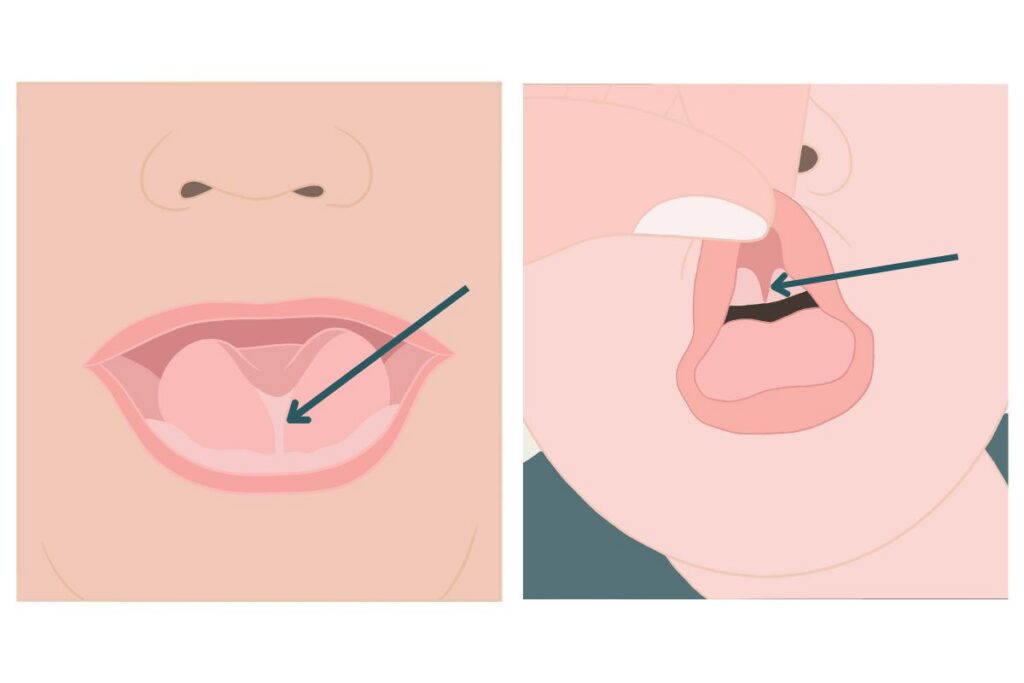
A tongue or lip tie
If baby’s tongue is held down too tightly, they may chew or pinch instead of sucking deeply.
That can cause new damage with each feed. We want to stop new damage, then heal the nipple.
“Clicking” sounds can be a symptom of a tie.

Infection, thrush, or vasospasm
Sometimes the latch is fine, but the skin still won’t heal.
Cracks that linger can get infected. Burning or stabbing pain between feeds can be vasospasm (blood flow clamping down) or, less often, thrush.
These need different care, which is why a trained set of eyes helps.
Can I keep breastfeeding with cracked or bleeding nipples?
Usually, yes.
A little blood in your milk is safe for baby, and you rarely need to stop nursing while you heal. In fact, stopping suddenly can cause new problems, like engorgement, clogged ducts, or mastitis.
If one side is too painful, you can rest it for a short time and express milk by hand or pump to protect your supply.
An IBCLC can help you decide.
Try these tonight if you have sore nipples
These are the first steps our IBCLCs coach in care plans. They help many mamas right away.
- Fix the latch first. Aim nose-to-nipple, wait for a wide open mouth, and bring baby in chin first. If it hurts, break the seal with a clean finger and start over.
- Start feeds on the less sore side. Babies suck hardest at the start, when they’re hungriest.
- Rub a little breastmilk on the nipple after feeds and let it air-dry. Your milk helps protect against infection.
- Keep the wound soft, not scabbed. Use a thin layer of nipple butter (we like Earth Mama). A hard scab tears off at the next feed. Soft skin heals faster.
- Try a warm salt-water soak. 1 tsp salt in 8 oz warm water, 3 to 5 times a day. Pat dry gently.
- Protect nipples from rubbing. Go braless when you can, or use silver cups or breast shells so clothing doesn’t rub the sore spot.
- Pumping? Check your flange size and turn the suction down. Higher suction does not mean more milk.
Healing is usually quick once the cause is fixed. Light soreness can fade in a day or two.
Deeper cracks can take a couple of weeks. If you’re not better in a few days, get help.
Want more detail? See our quick answers on healing cracked nipples, fixing sore nipples, and how long healing takes.
When should you get help for sore or cracked nipples?
Reach out to an IBCLC (and your doctor) if you notice:
- Cracks or pain that are not improving after a few days of home care
- A wound that won’t heal after two weeks
- Burning or stabbing pain between feeds, or pain deep in the breast
- Your nipple turns white after feeds, then throbs
- Redness, swelling, oozing, or fever. A cracked nipple can let germs in, and that can lead to mastitis
- You’re dreading feeds or thinking about stopping before you wanted to
You don’t have to wait until it’s bad. Early help means faster healing, and it protects your milk supply.
What a lactation consult for sore nipples with a TLC IBCLC looks like
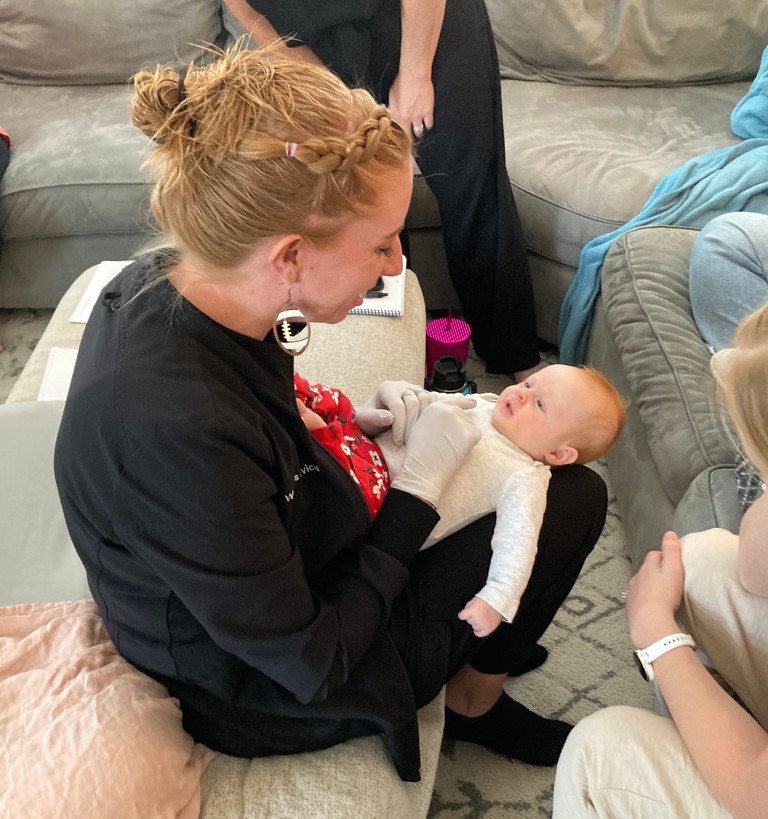
When you come to us with damaged nipples, your IBCLC will:
- Watch a real feed and find what’s causing the damage: the latch, your pump, baby’s suck, or a tie
- Look at the skin itself and build a healing plan that fits the wound, not a one-size-fits-all cream
- Check your flange size and pump settings if you pump
- Check baby’s mouth for a tongue or lip tie. We’ll refer you if you need it (we work with trusted pediatric dentists)
- Help you keep feeding while you heal, including a short nipple-rest plan if one side needs a break
- Follow up to make sure the skin stays healed as baby grows
Pick what works for you: a visit in your own home, or a virtual consult from anywhere. Many insurance options accepted. If needed, we can help you check your coverage.

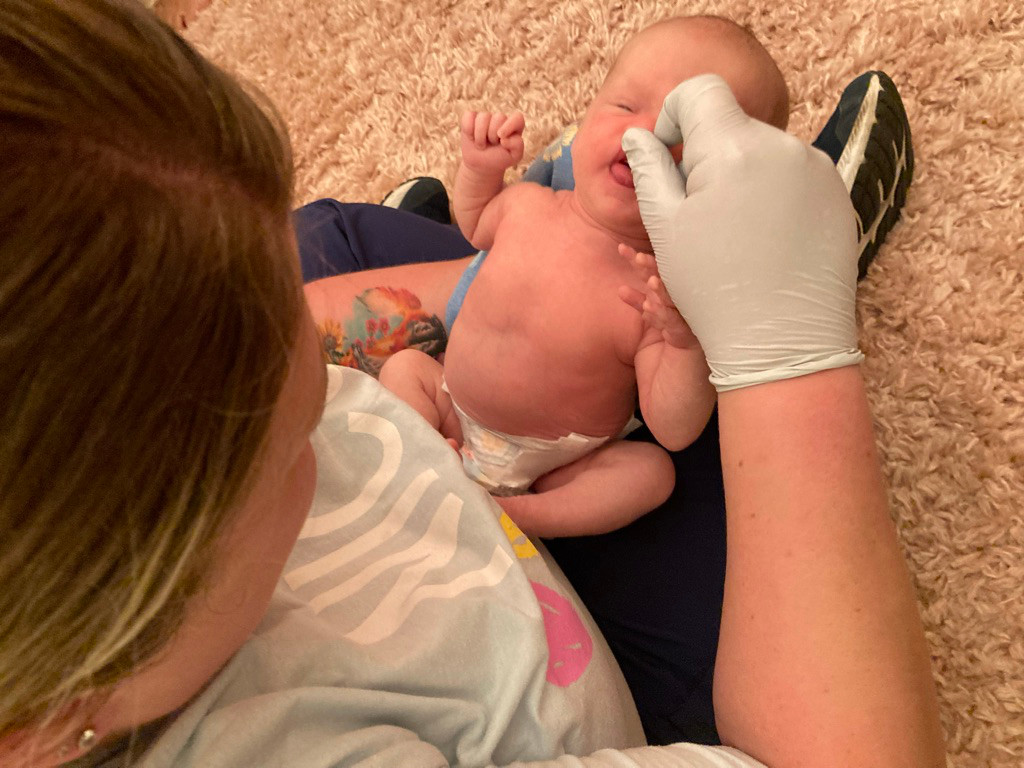
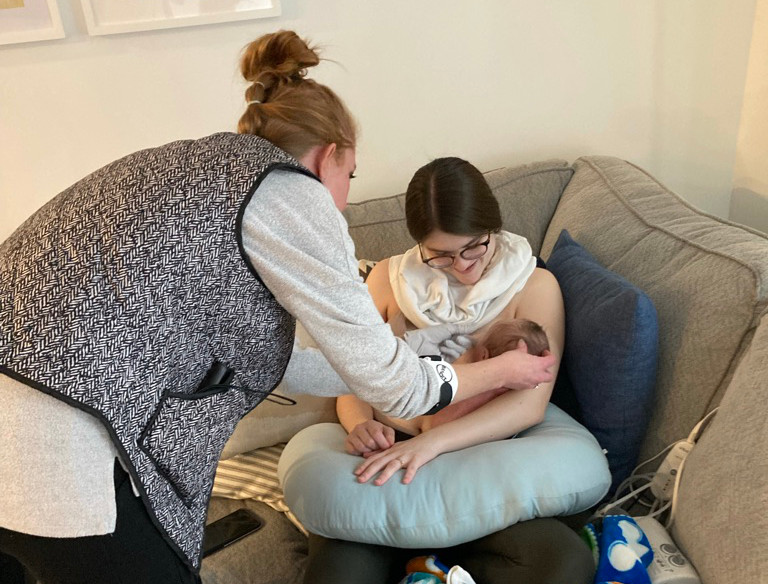
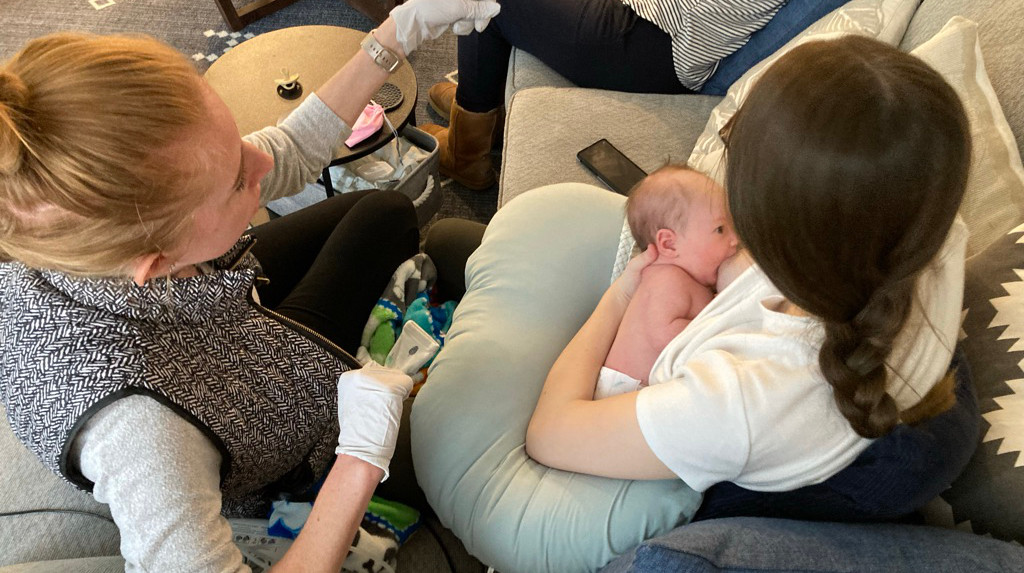

Other mamas like you have had great experiences with our IBCLCs
Your nipples can heal, and feeding can feel good again.
You shouldn’t have to grit your teeth through every feed while you wait for your nipples to “toughen up.”
Many insurances accepted.
Sore Nipple FAQs
-
Is it normal for nipples to crack or bleed when breastfeeding?
It’s common, but it’s not something you should accept. A little tenderness in the first days can be normal. Cracks, blisters, or bleeding mean something is damaging the skin, and that can be fixed.
-
Can my baby drink milk with a little blood in it?
Yes. A small amount of blood in your milk is safe for baby. You don’t need to pump and dump, and you usually don’t need to stop nursing.
-
How long do cracked nipples take to heal?
Light soreness can fade within a day or two once the cause is fixed. Deeper cracks can take up to two or three weeks. If you see no progress after a few days, have someone watch a feed.
-
Should I let my nipples dry out and scab?
No. A hard scab tears off at the next feed, which restarts the damage. Keep the skin slightly moist with a thin layer of nipple butter. This is called moist wound healing, and it’s faster and kinder.
-
Why do my nipples still hurt if my latch looks fine?
A few things can keep skin sore even with a good latch: the wrong pump flange size, vasospasm (nipple turns white, then burns), an infection in the crack, or thrush. Each needs different care, so it’s worth a closer look.
-
Will a nipple shield help my nipples heal?
Sometimes it can give skin a break, but a shield is a tool, not a fix. Used without a plan, it can hide the real cause. We’ll show you how to use one well, and how to wean off it.
-
Do you take insurance? Can you come to my home?
Yes. We work with The Lactation Network, Wildflower, and other insurers. Check the logos on the back of your insurance card. We offer visits in your home and virtual consults. We’ll help you check your coverage when you book.