
Breastfeeding hurts?
It doesn’t have to.
Does latching make you curl your toes or dread the next feed? You’re not alone.
IBCLCs (the highest lactation qualification)

IBCLC: International board-certified lactation consultant













You’re not alone
Painful feeding is the #1 reason mamas reach out to us. We understand. We’ve helped hundreds of mamas overcome the dreaded, white-knuckle feeds.
You might be dealing with a painful latch if…

Latching feels like toe-curling, pinching, or “shards of glass,” especially in the first seconds

It brings you to tears, or you dread the next feed, especially at night

Your nipple comes out flattened, creased, or shaped like a tube of lipstick

Your nipple turns white after feeding, then burns or throbs

You hear a clicking sound, or baby keeps slipping off the breast

You have cracked, sore, or bleeding nipples

You’ve started bracing for pain, switching to the bottle, or pumping just to get a break

Someone told you the latch “looks fine,” but it still feels awful
Sound familiar?
You don’t have to push through it.
We can help →
What usually causes pain during breastfeeding?
Most of the time, the pain comes from how baby latches.
Here’s what’s usually going on…
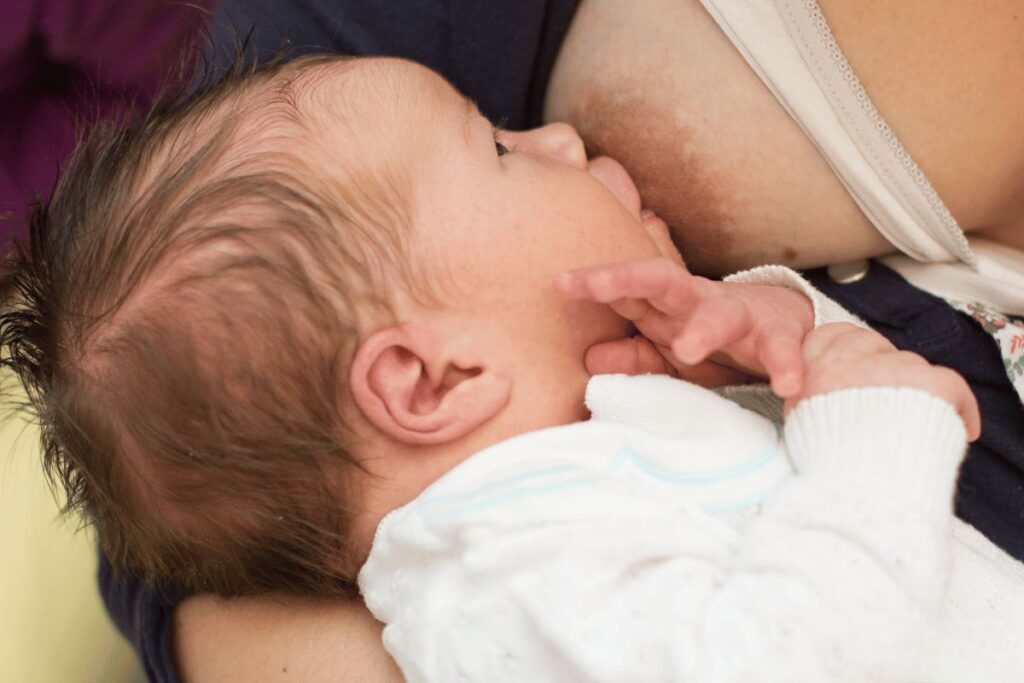
A shallow latch
(the most common cause)
A good latch needs a big mouthful of breast. When baby takes mostly the nipple, it gets pinched against the hard roof of their mouth. It can’t reach the soft spot further back.
That pinch is the pinching, biting, or burning you feel. It’s also why a shallow latch can leave a lipstick-shaped nipple.
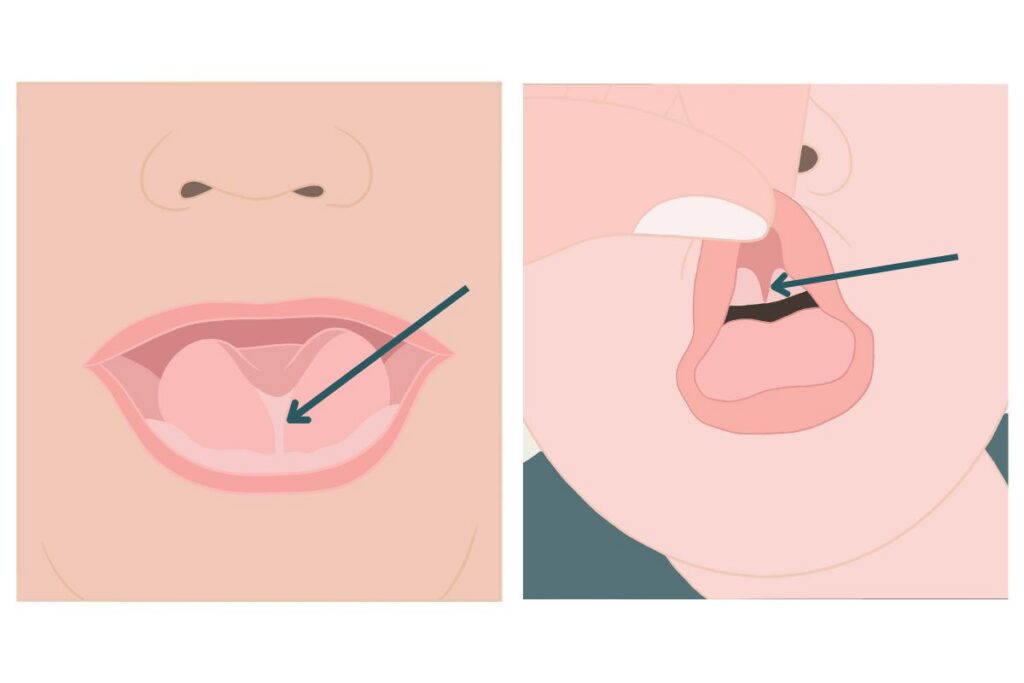
A tongue or lip tie
Sometimes baby just can’t latch deep, no matter how you hold them. Their tongue is held down too tightly.
The tell-tale signs come as a group: pain, a clicking sound, a lipstick nipple, and gas or reflux.
Ties are easy to miss, and doctors often do. That’s why more than half of the painful-latch care plans we create for mamas include a check for a tongue or lip tie.

Vasospasm
(the “white nipple”)
Does your nipple turn white after feeds, then throb or burn? That’s blood flow clamping down for a moment.
A shallow latch is usually the cause.
Many think it’s thrush, but vasospasm is far more common. Fixing the latch fixes it.
Try these tonight if you have painful breastfeeding
These are the first steps our IBCLCs coach in care plans. They help many mamas right away.
- Aim nose-to-nipple and wait for a wide open mouth. You want a big mouthful of breast, not just the tip. Bring baby to you, chin first.
- Go for a deeper latch. Aim for more breast below the nipple than above. Baby’s lips should flange out like a fish, not tuck in.
- Don’t push through the pain. Slip a clean finger into the corner of baby’s mouth to break the seal. Then start over. A latch that hurts isn’t done yet.
- Try a new position. Our top three are laid-back, side-lying, and football. A new hold often adjusts where the pressure lands.
- Line baby up. Keep ear, shoulder, and hip in a straight line. Hold baby’s chin, chest, and belly against you. Get yourself comfy with pillows first.
- Care for sore nipples. Rub a little breastmilk on the nipple and let it air-dry. Use a nipple butter (we like Earth Mama). Try a warm salt-water soak (1 tsp salt in 8 oz water, a few times a day). Start feeds on the less-sore side first.
Does the pain keep coming back after you try these?
That’s your sign it’s time for hands-on help. It doesn’t mean you failed.
When should you get help for painful breastfeeding?
Reach out to an IBCLC (and your pediatrician) if you notice:
- Pain that lasts the whole feed, or between feeds
- Pain that stays after the first couple of weeks
- Cracked, blistered, or bleeding nipples
- A clicking sound, baby slipping off, or a nipple that stays lipstick-shaped
- Baby isn’t gaining weight well, or seems hungry right after a feed
- You dread feeds, or think about stopping before you wanted to
A little soreness in the first few days can be normal. Toe-curling pain, nipple damage, or dread are not. You don’t have to wait until it’s bad. Early help means faster relief, which also protects your milk supply.
What a lactation consult for breastfeeding pain with a TLC IBCLC looks like
When you come to us for a painful latch, your IBCLC will:
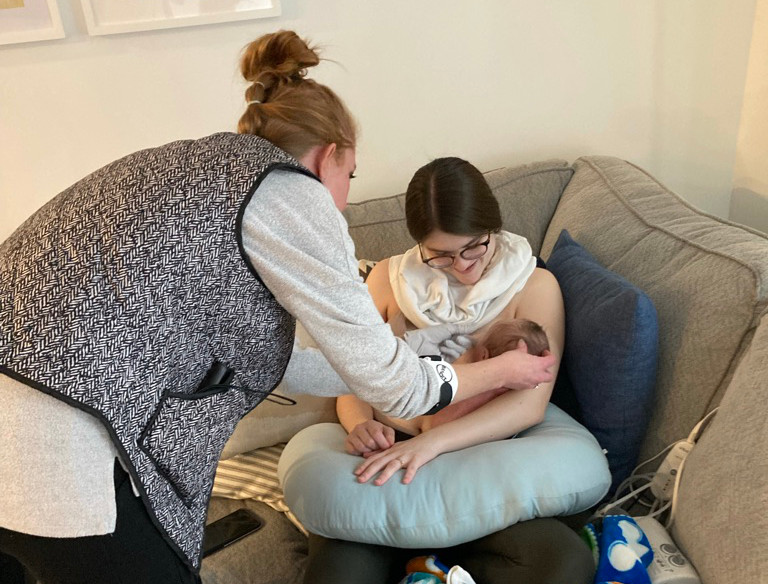
- Watch a real feed and find where the pain comes from: the latch, how you hold baby, baby’s suck, or a tie
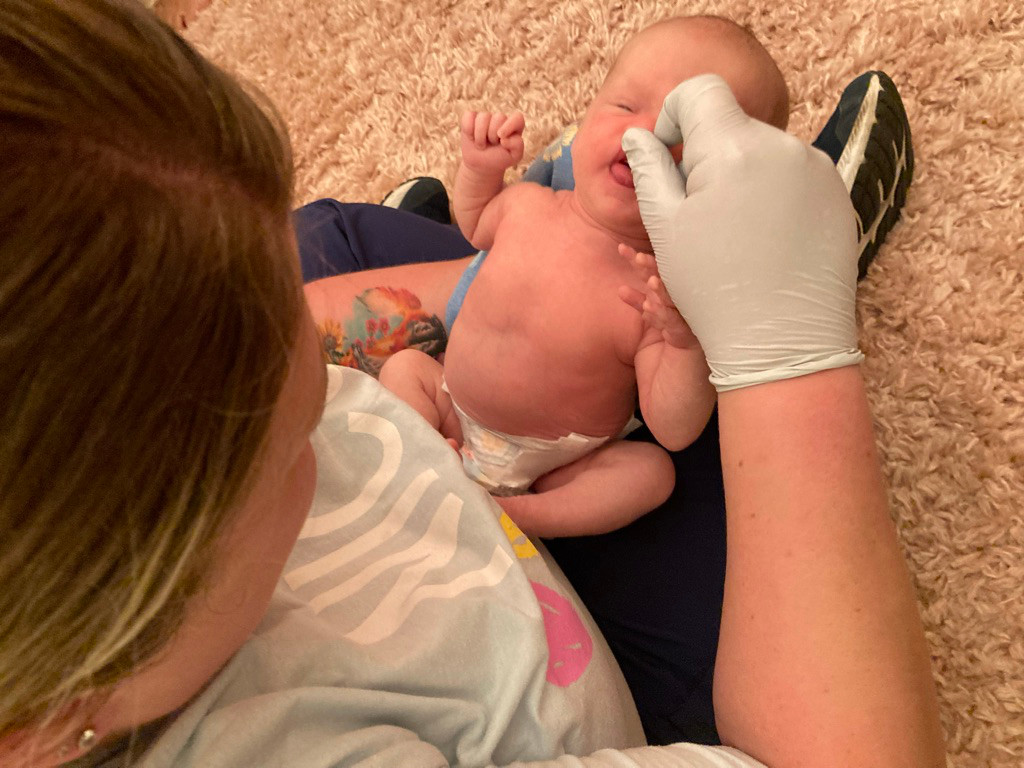
- Check baby’s mouth for a tongue or lip tie. We’ll refer you if you need it (we work with trusted pediatric dentists)
- Help you hands-on until a feed truly feels good, not just looks right
- Make a plan just for you: how to hold baby, how to heal sore nipples, pumping and flange help if you need it, and a way off the nipple shield
- Follow up, because the latch keeps changing as your baby grows
Pick what works for you: a visit in your own home, or a virtual consult from anywhere. Many insurance options accepted. If needed, we can help you check your coverage.


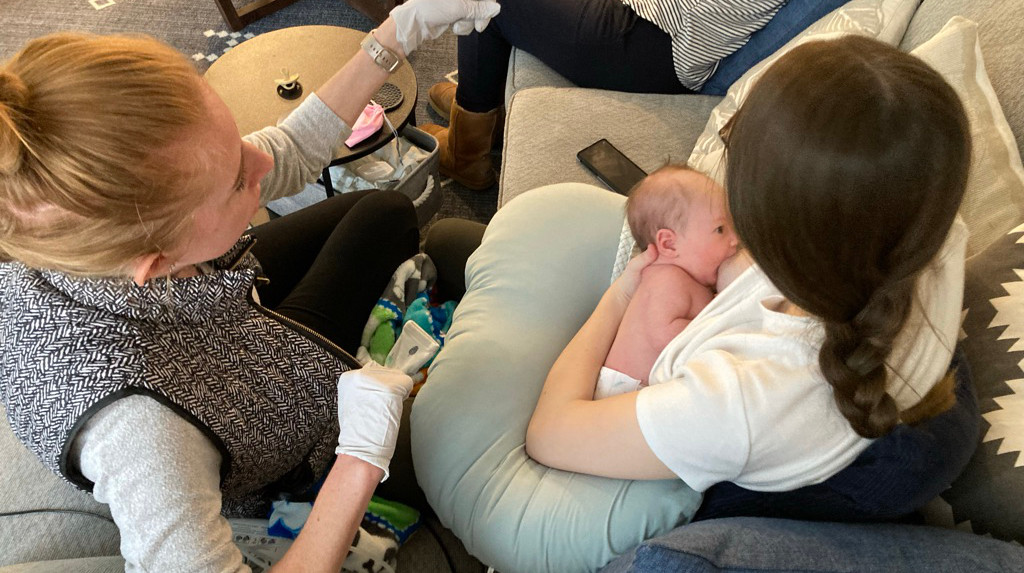
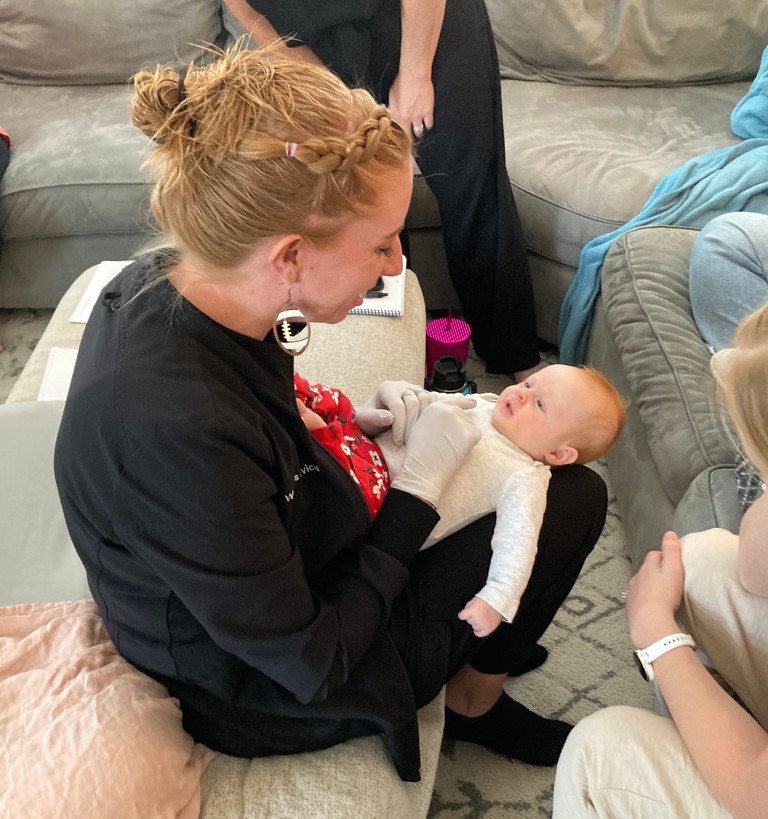

Other mamas like you have had great experiences with our IBCLCs
Relief from painful feeding is closer than you think
You shouldn’t have to brace yourself every time your baby is hungry.
Let’s make feeding feel good again, together.
Many insurances accepted.
Painful Breastfeeding FAQs
-
Is breastfeeding supposed to hurt?
No. A little soreness in the first few days can be normal. But toe-curling pain, pain that lasts the whole feed, or any cracking or bleeding is a sign that something needs to change. You shouldn’t have to tough it out.
-
When does latch pain go away?
Normal early soreness peaks around day 3. It usually fades within a week or two. Is your pain strong? Does it last the whole feed, happen between feeds, or stay past two weeks? Then it’s worth having your latch checked.
-
My doctor said there’s no tongue tie. Could there still be one?
Yes. Ties at the back of the tongue are easy to miss in a quick exam. If you have pain, clicking, and a lipstick nipple, an IBCLC can watch a feed and check baby’s mouth. It’s why most of our painful-latch consults include a tie check.
-
My latch “looks fine” but it still hurts. Why?
How a latch feels matters more than how it looks. A latch that still hurts usually isn’t deep enough yet. Small hands-on changes often fix it.
-
Why does my nipple turn white and burn after a feed?
That’s often vasospasm. Blood flow clamps down for a moment. A shallow latch is usually the cause. Many think it’s thrush. Warm, dry heat helps right away, and fixing the latch often resolves the root cause.
-
Should I just switch to pumping or formula?
We’ll support whatever feeding goals are right for your family. But many mamas who think they have to quit just need a better latch or a tie fixed. It’s worth one visit before you decide.
-
Do you take insurance? Can you come to my home?
Yes. We work with The Lactation Network, Wildflower, and other insurers. Check the logos on the back of your insurance card. We offer visits in your home and virtual consults. We’ll help you check your coverage when you book.